
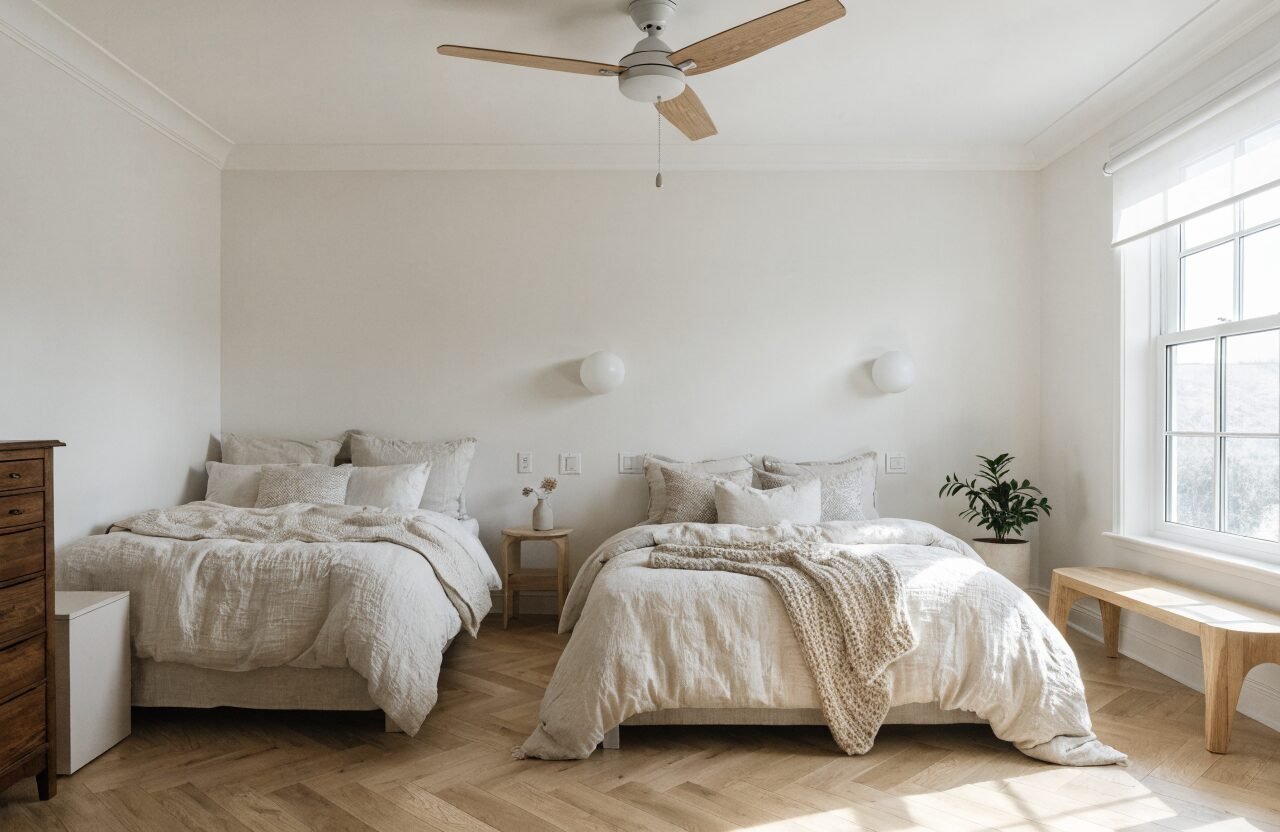
You don’t need a walk-in closet to make a bedroom feel gorgeous. You need a layout that doesn’t choke the room. If your small bedroom feels more like a storage locker than a sanctuary, the culprits are probably fixable—and fast. Let’s call out the usual suspects and set your space free.
1) Shoving the Bed Against the Long Wall “Because It Fits”
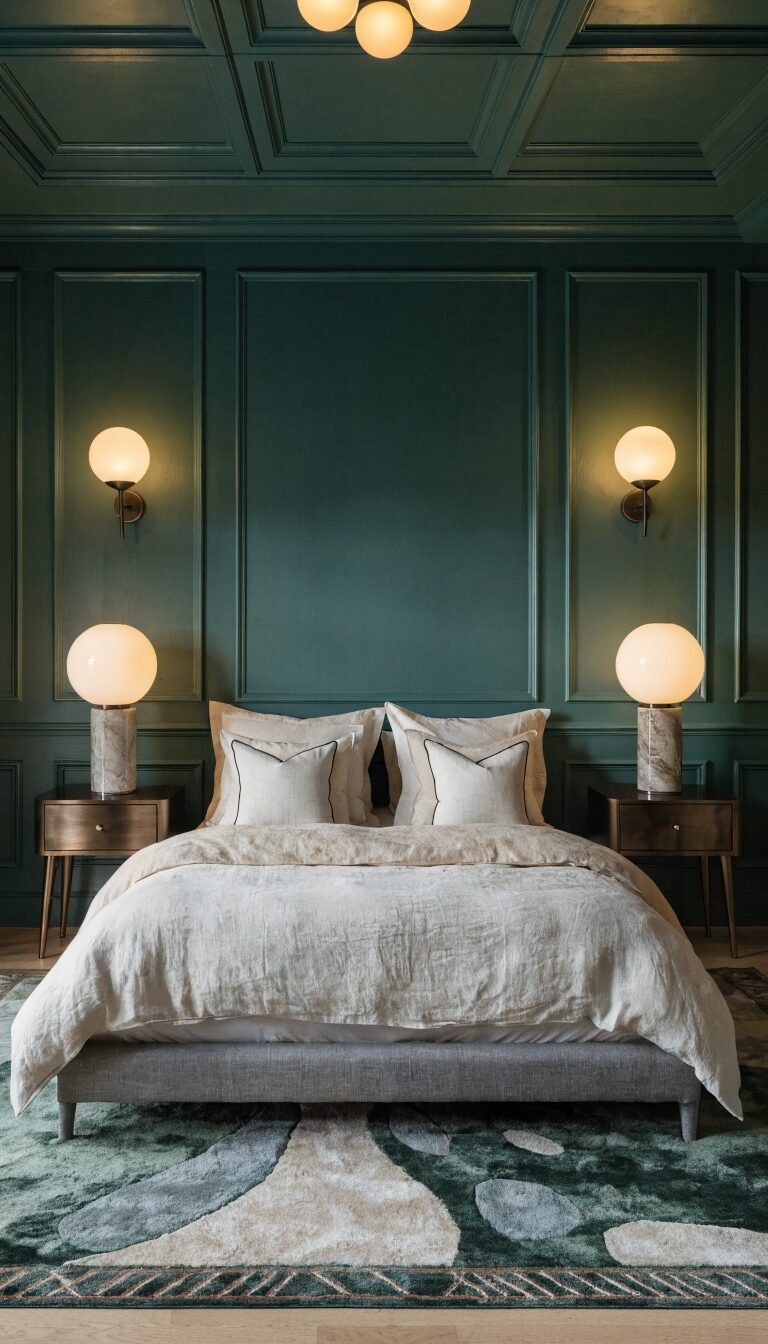
You found the largest wall and slammed the bed up against it. Done, right? Not quite. That move can turn your room into a bowling lane—long, narrow, and awkward to navigate.
Better move: Center the bed on the main wall or float it off a corner with room to access both sides. Even 18–24 inches per side changes everything.
- Use a low-profile frame to reduce visual bulk.
- Skip the footboard; it chops the room in half.
- Mount sconces instead of nightstands if space runs tight.
When to break the rule
If your room is truly micro (think: bed barely fits), push it against the wall—but choose a daybed or a bed with one finished side. Add a swing-arm lamp so it still feels intentional.
2) Blocking Natural Light with Tall Furniture
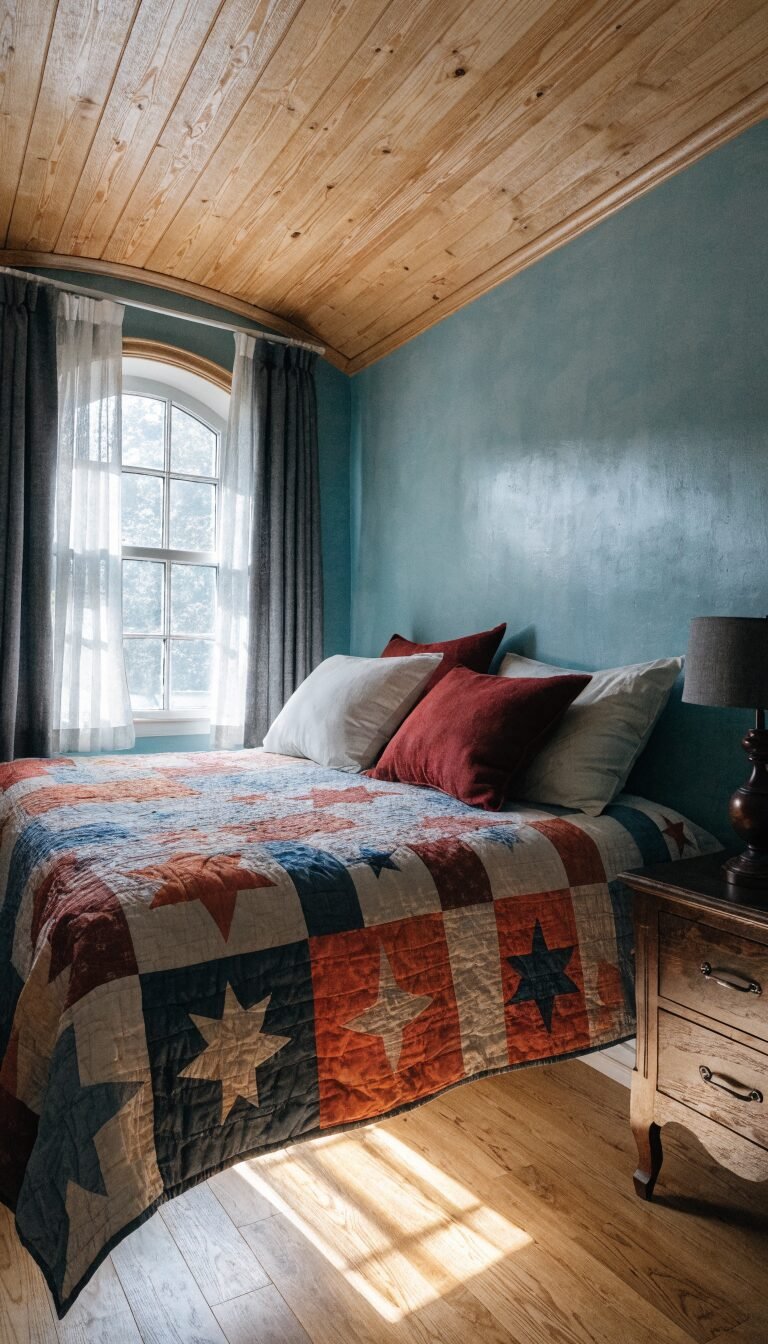
You put the dresser in front of the window because “nowhere else.” Result: vampire cave vibe. You need every drop of daylight in a small room—block it and the place shrinks visually.
Better move: Keep the area around windows light and low.
- Use low dressers or a storage bench under the window.
- Hang curtains high and wide to expose maximum glass.
- Choose sheer or linen panels to soften light without stealing it.
Mirror trick that actually works
Place a mirror adjacent to the window (not directly opposite). It bounces light deeper into the room without creating glare or weird reflections at night.
3) Clinging to Symmetry Like It’s a Personality Trait
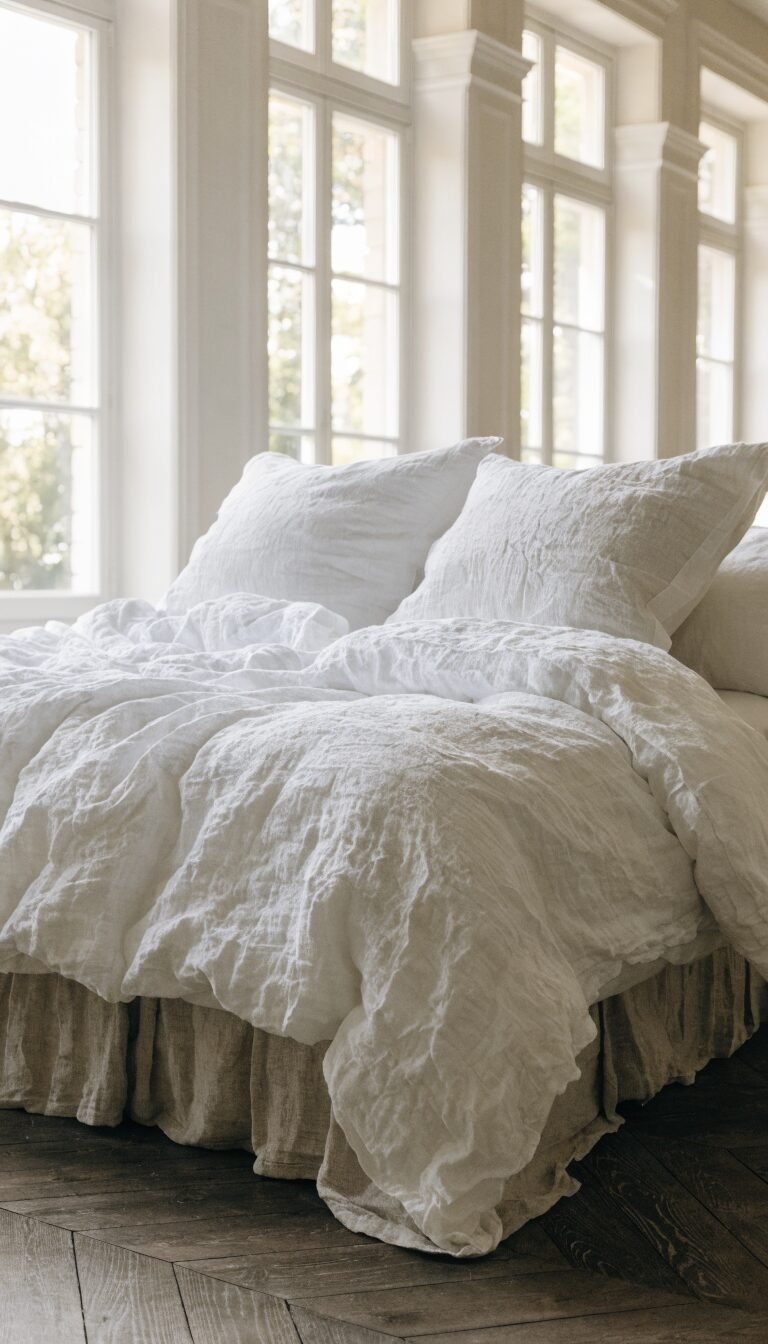
Two identical nightstands. Two matching lamps. Bed perfectly centered. Cute—until the room feels like a staged hotel suite that forgot about square footage. Symmetry eats space.
Better move: Embrace asymmetry with balanced weight, not identical pieces.
- One slim nightstand + a wall-mounted shelf on the other side.
- One table lamp + a sconce or pendant.
- Lean artwork on one side and a plant on the other.
FYI, asymmetry reads intentional when heights vary but volumes feel equal. Think “visual rhythm,” not “twin set.”
4) Choosing the Wrong Bed Size (and Height)
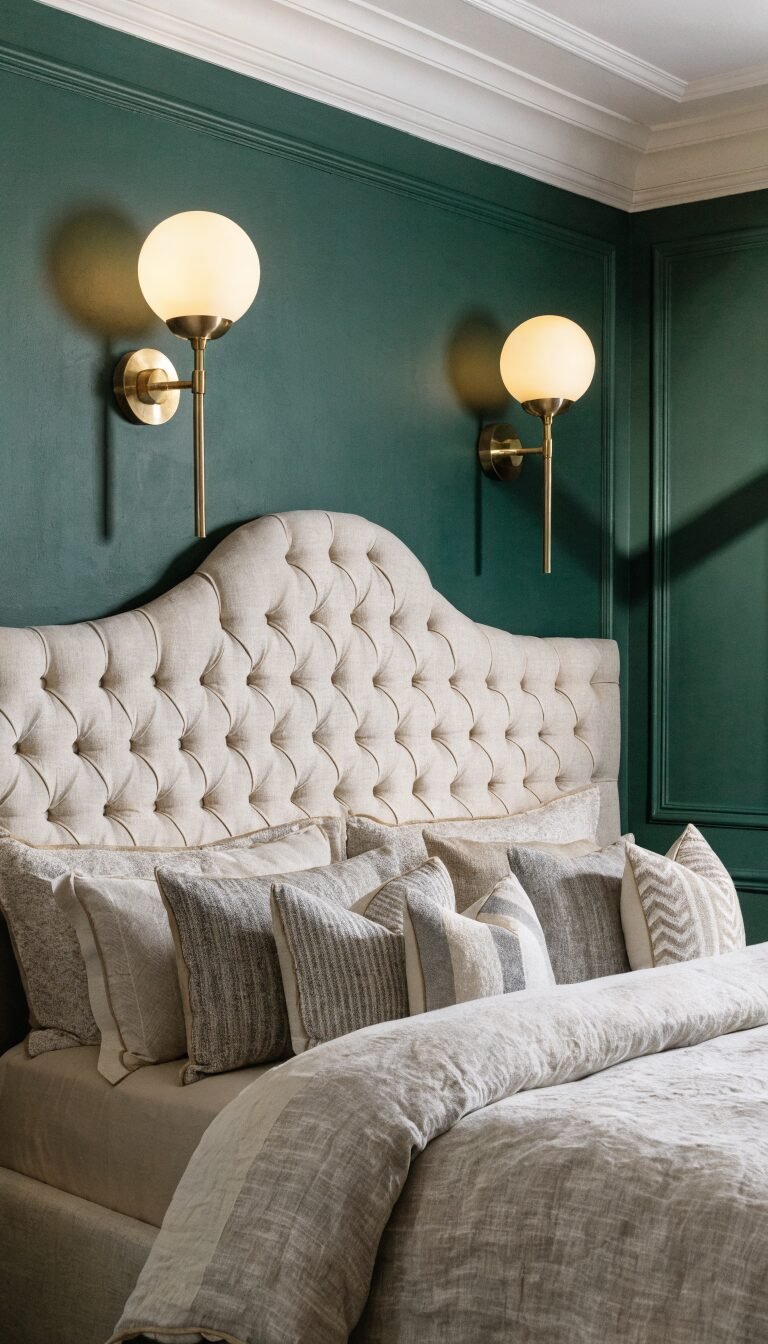
A king in a shoebox? Bold. Also claustrophobic. But going too small can feel sad and out of scale. Size and height both matter.
Quick size sanity check (IMO):
- Twin: 7 ft wide rooms or tighter
- Full/Double: 8–9 ft wide rooms
- Queen: 9–10 ft wide rooms (bare minimum)
Height matters too: High headboards and tall legs add visual weight. Low frames and modest headboards stretch sightlines. Want storage? Choose a bed with drawers instead of stacking random bins underneath like a goblin hoard.
Headboard hacks
– Use a slim, upholstered headboard that stops a few inches below window height.
– Try a wall-mounted headboard or a narrow ledge shelf for a faux headboard look without bulk.
5) Ignoring Vertical Space (aka The Great Wall of Empty)
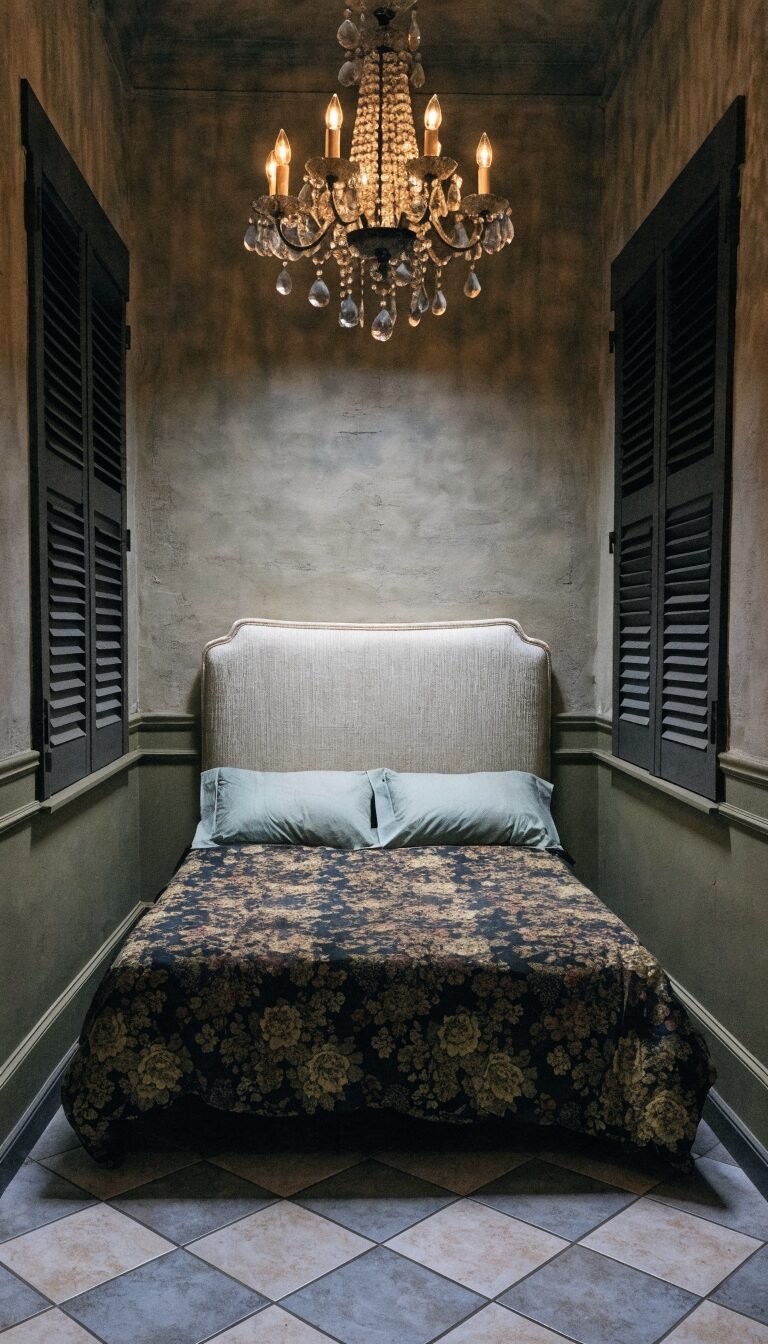
You crammed everything at floor level and left the walls blank. Congrats, you just lowered the ceiling visually. In small rooms, vertical space = free square footage.
Better move:
- Use tall, narrow storage instead of squat, wide pieces.
- Mount shelves over nightstands for books, plants, and mood lighting.
- Install hooks behind the door for robes and bags (but keep it tidy).
- Try a picture ledge as a nightstand when floor space is precious.
Ceiling love
Paint the ceiling a soft, lighter tone than the walls, or add vertical stripes or beadboard. Your eye goes up, the room feels taller. Magic, but with paint.
6) Overdecorating Like It’s a Gallery Wall Competition
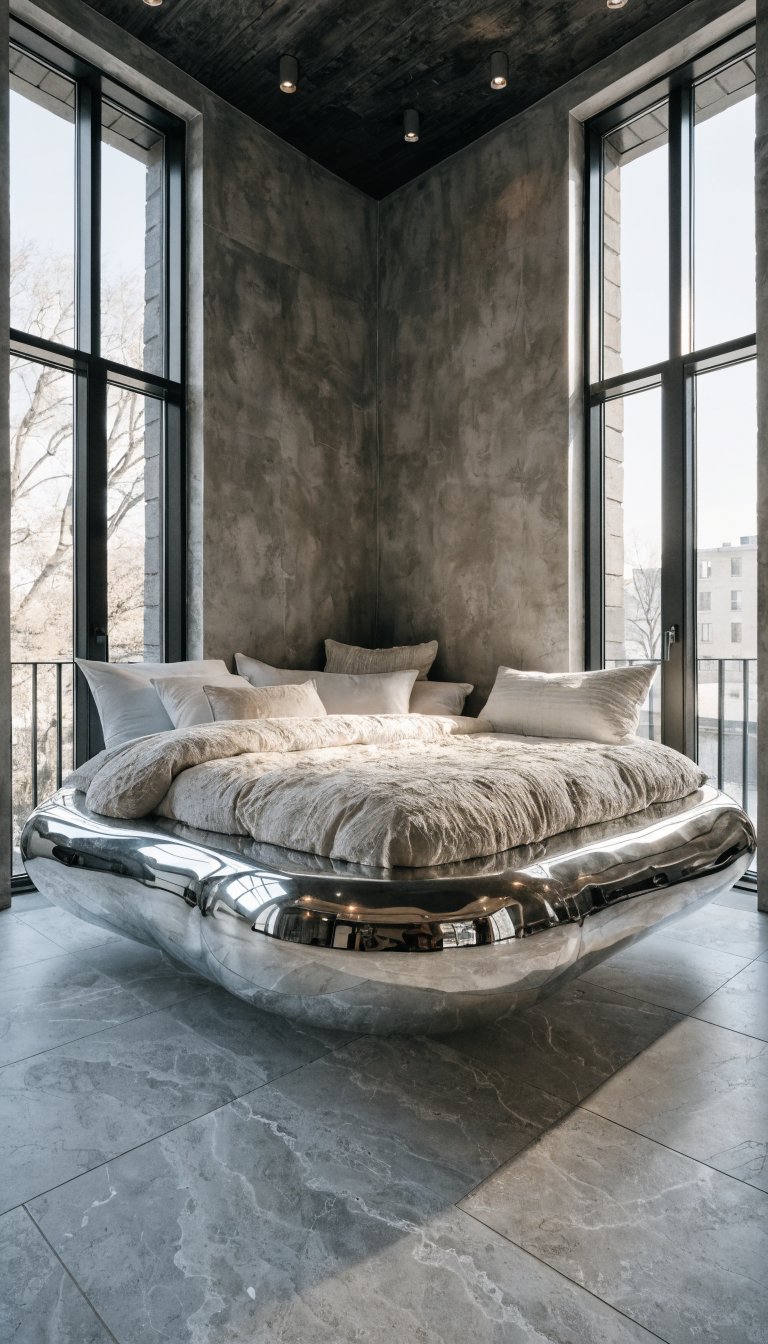
Seven pillows. Three throws. A tray holding a tray. Minimal floor area + maximum decor = instant squeeze. You want cozy, not clutter-core.
Edit ruthlessly:
- Limit pillows to 2 sleeping + 2 shams + 1 accent. That’s it.
- Use one large artwork instead of a busy gallery wall.
- Pick a tight color palette (3–4 colors) and repeat.
- Hide small stuff in lidded boxes or drawers. Out of sight, out of mess-induced anxiety.
IMO, texture beats trinkets. Think linen, wood, and a plush rug instead of 47 “decorative” objects.
7) Zero Clear Pathways
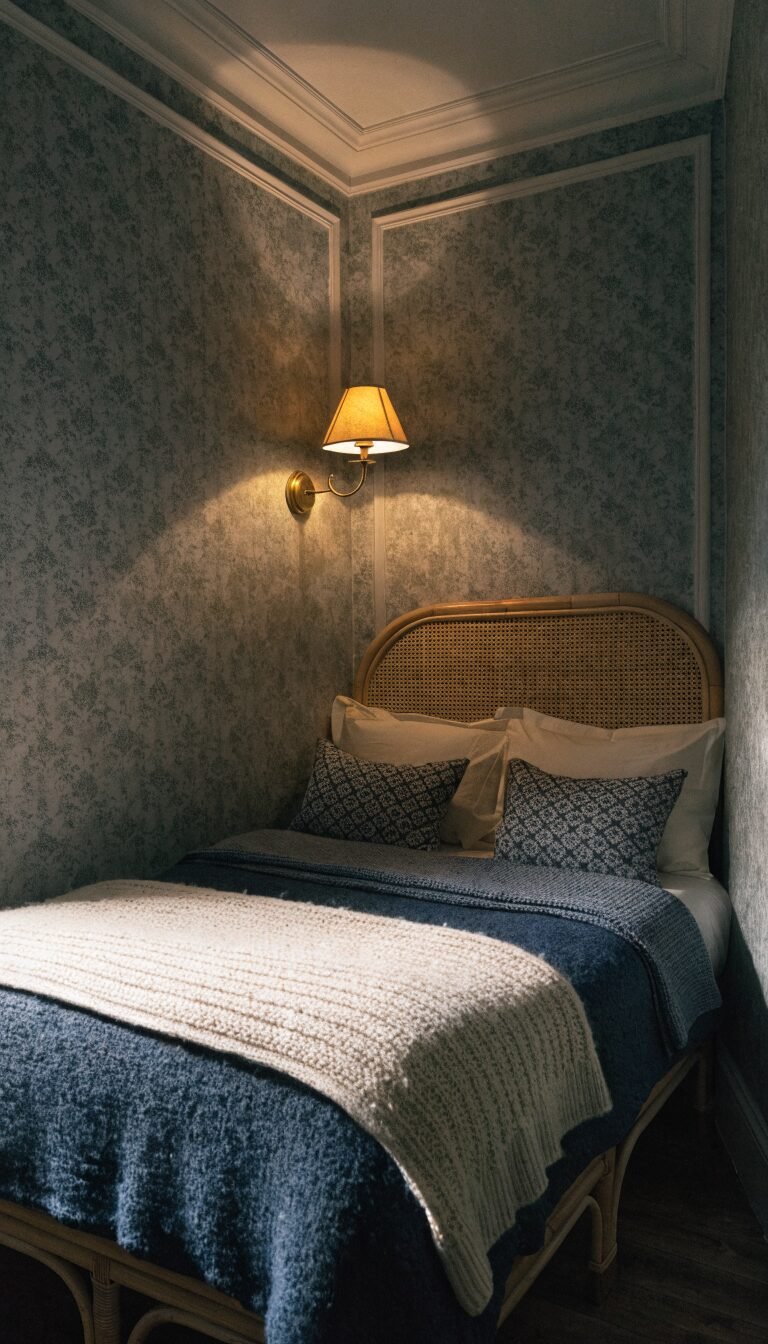
If you have to sidestep furniture to reach the closet, your layout failed. Pathways matter more than furniture count. They make the space feel breathable.
Better move:
- Leave at least 24–30 inches of walkway to the door and closet.
- Choose rounded corners on nightstands to save shins (and space).
- Use sliding doors or curtains for closets where possible.
- Mount the TV or use a laptop arm; ditch the bulky media dresser.
Rug rules that help flow
– Place a rug under the front two-thirds of the bed.
– Or try two runners along each side.
Both define the zone and create a soft “runway” that guides movement.
Smart Layout Combos That Actually Work
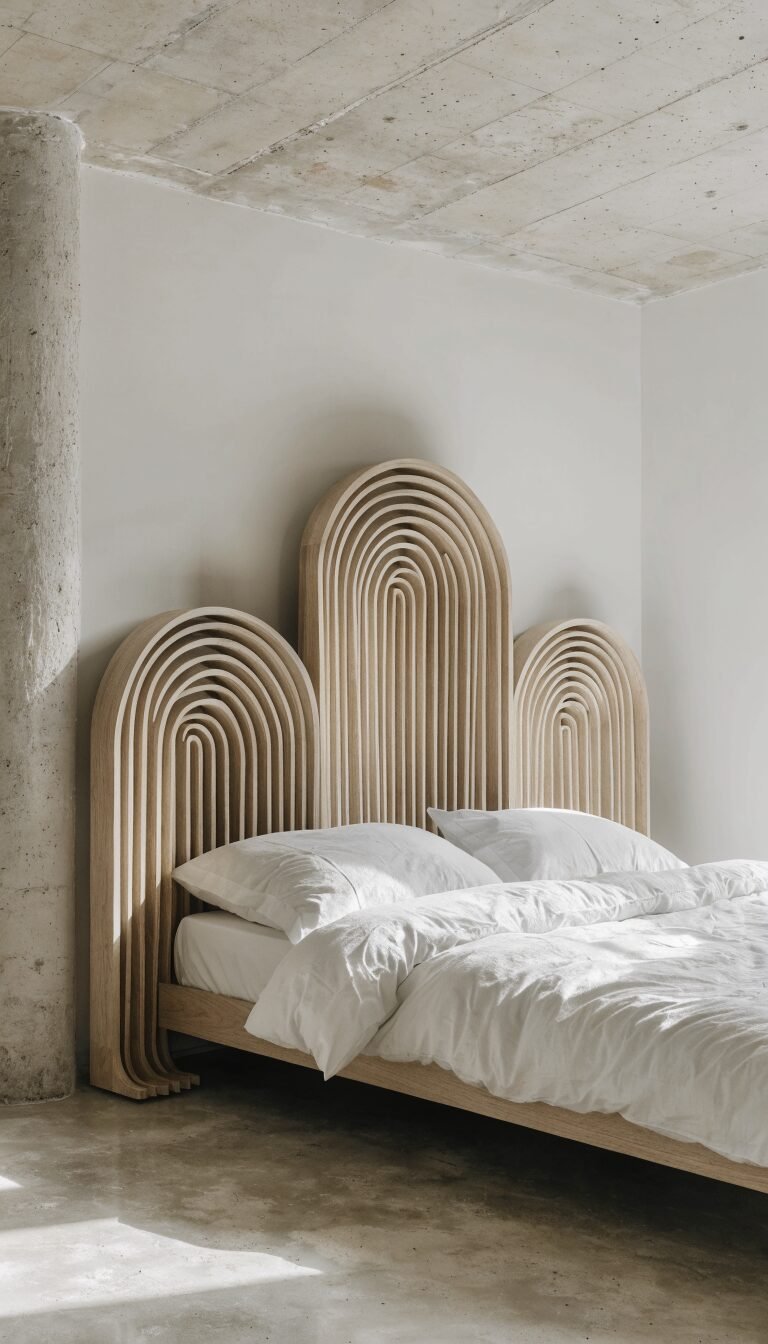
Sometimes you just need a plug-and-play plan. Here are a few:
- The Narrow Room Fix: Bed centered on the short wall, no footboard, sconces, one slim dresser opposite, mirror near window.
- The Corner Cozy: Full-size bed in a corner with a wall-mounted shelf as a nightstand, pendant light, tall bookcase opposite for vertical balance.
- The Storage Ninja: Bed with drawers, floating nightstands, wall-mounted wardrobe system, under-window bench with hidden storage.
Lighting: Your Secret Square Footage
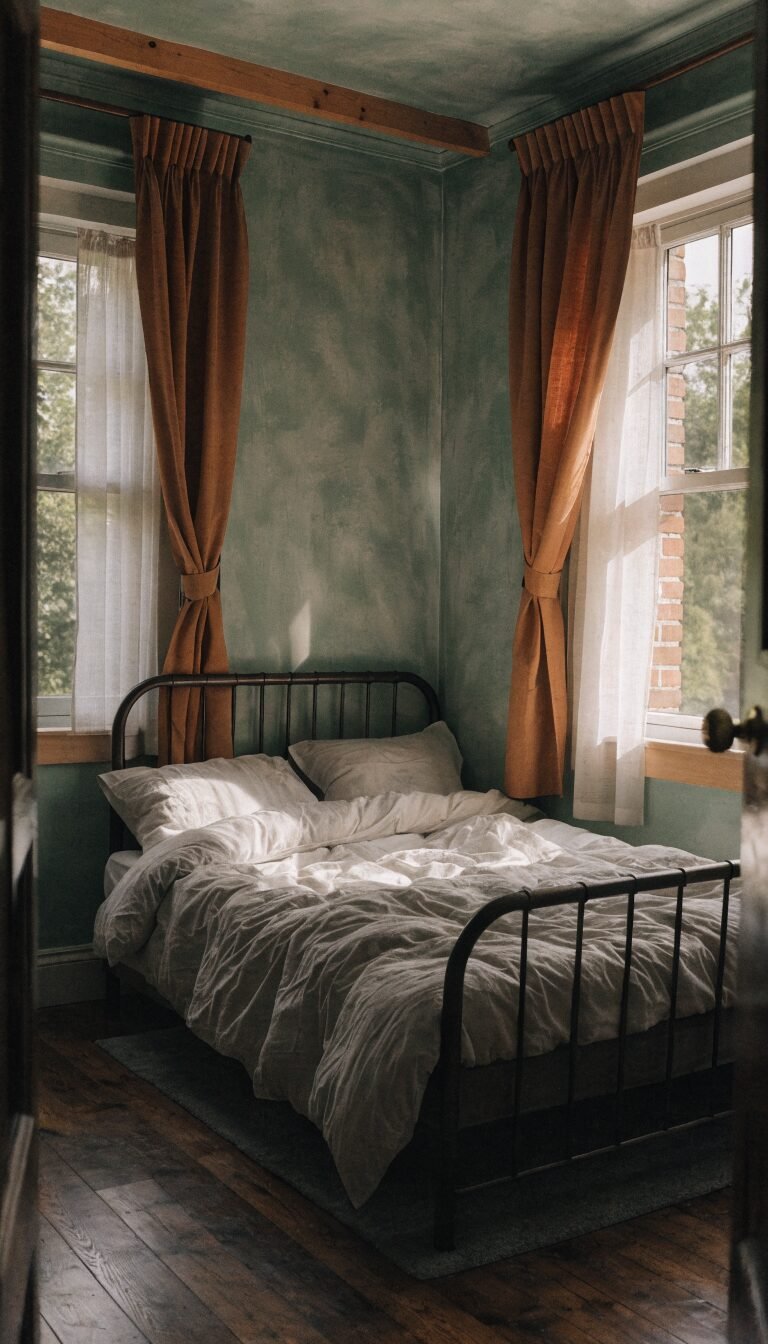
Bad lighting shrinks a room faster than a hot dryer. Overhead lights alone create harsh shadows that box things in.
Layer it up:
- Ambient: Soft overhead or flush mount.
- Task: Sconces or pendants by the bed.
- Accent: LED strip under shelves or behind the headboard.
Aim for three light sources minimum. Dimmer switches? Non-negotiable.
Color and Pattern: Chill, Not Chaos
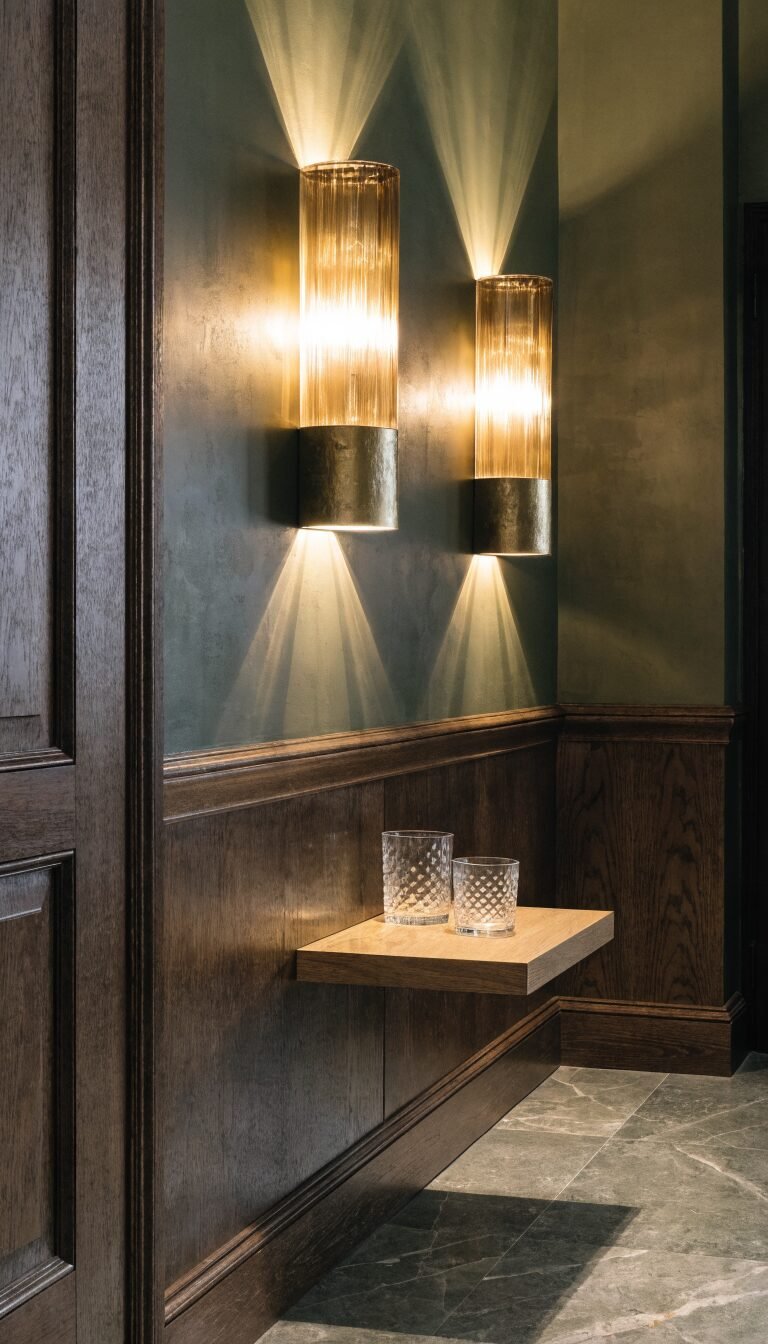
You can use color in a small room without making it feel cramped—promise. The trick lies in contrast and scale.
Keep it cohesive:
- Use mid-to-light wall colors and match big pieces (curtains, duvet) to the wall tone.
- Choose one bold pattern and let everything else support it.
- Go tone-on-tone for furniture and bedding to blur edges and expand the look.
FYI: Glossy finishes reflect light but show dust; satin or eggshell usually hit the sweet spot.
FAQ
How do I decide the best spot for the bed in a tiny room?
Start by identifying the wall with the least interruptions (no doors, minimal windows). Mock up clearance with painter’s tape to ensure you have 18–24 inches on both sides and a clear path to the door. If that fails, try the corner layout with good lighting and a wall-mounted shelf to create balance.
Are sliding closet doors worth it for small bedrooms?
Yes, if you can install them cleanly. Sliding or bifold doors save crucial swing space, so you can place a dresser or chair closer without whacking the door. If you rent, a simple curtain on a ceiling track works surprisingly well.
What size rug makes a small bedroom feel bigger?
Bigger than you think. For a full or queen, a 6×9 often beats a 5×7. You want enough rug under the bed to extend at least 18–24 inches on the exposed sides so the room reads as one cohesive zone.
Can I use dark paint in a small bedroom?
Absolutely—just keep contrast low. Dark walls with a matching or slightly lighter duvet and curtains create a cozy, enveloping box that still feels calm. Add layered lighting and a few reflective accents to avoid cave mode.
What’s the best nightstand option when there’s no space?
Go vertical: mount a small shelf, a narrow picture ledge, or a fold-down wall table. Pair it with a sconce or pendant to free the surface. Bonus points for a shelf with a lip so your phone doesn’t swan-dive at 2 a.m.
How do I hide clutter without extra furniture?
Use bed drawers, under-bed bins with lids, and over-the-door organizers. Corral small items in matching boxes inside the closet and label the fronts. One weekly five-minute reset keeps surfaces clean and the room instantly calmer.
Conclusion
Small bedrooms don’t fail because they’re small—they fail because the layout fights the room. Give light room to breathe, plan clear pathways, scale the bed right, and edit the extras. Do that, and your “tiny” bedroom suddenly feels intentional, calm, and—dare I say—kind of luxurious. IMO, good flow beats more square footage every time.