
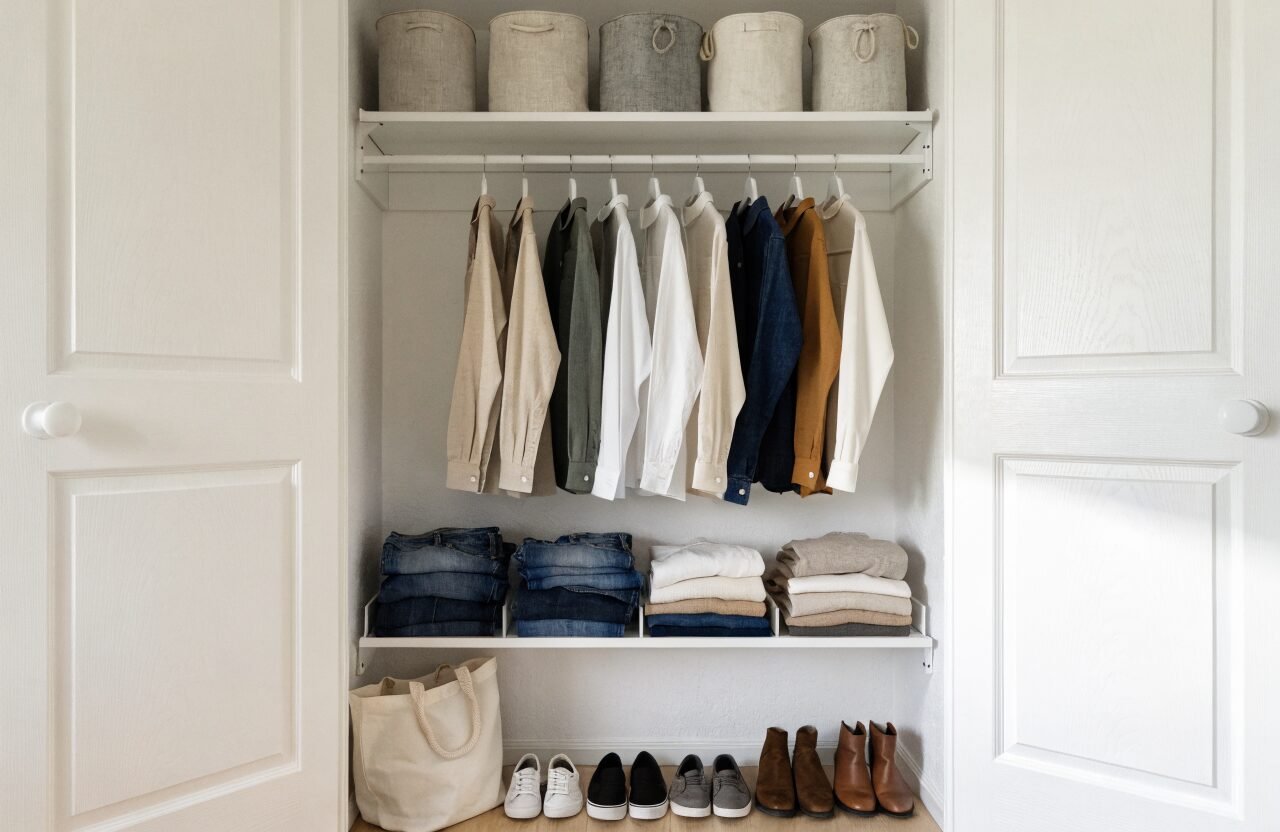
Your reach-in closet does not need to be a chaos cave. You can turn that tiny, door-sized abyss into a calm, functional space with a few strategic IKEA shelves. No demo day required. Just a game plan, a screwdriver, and maybe a snack break when the tiny screws test your patience.
Measure Like You Mean It
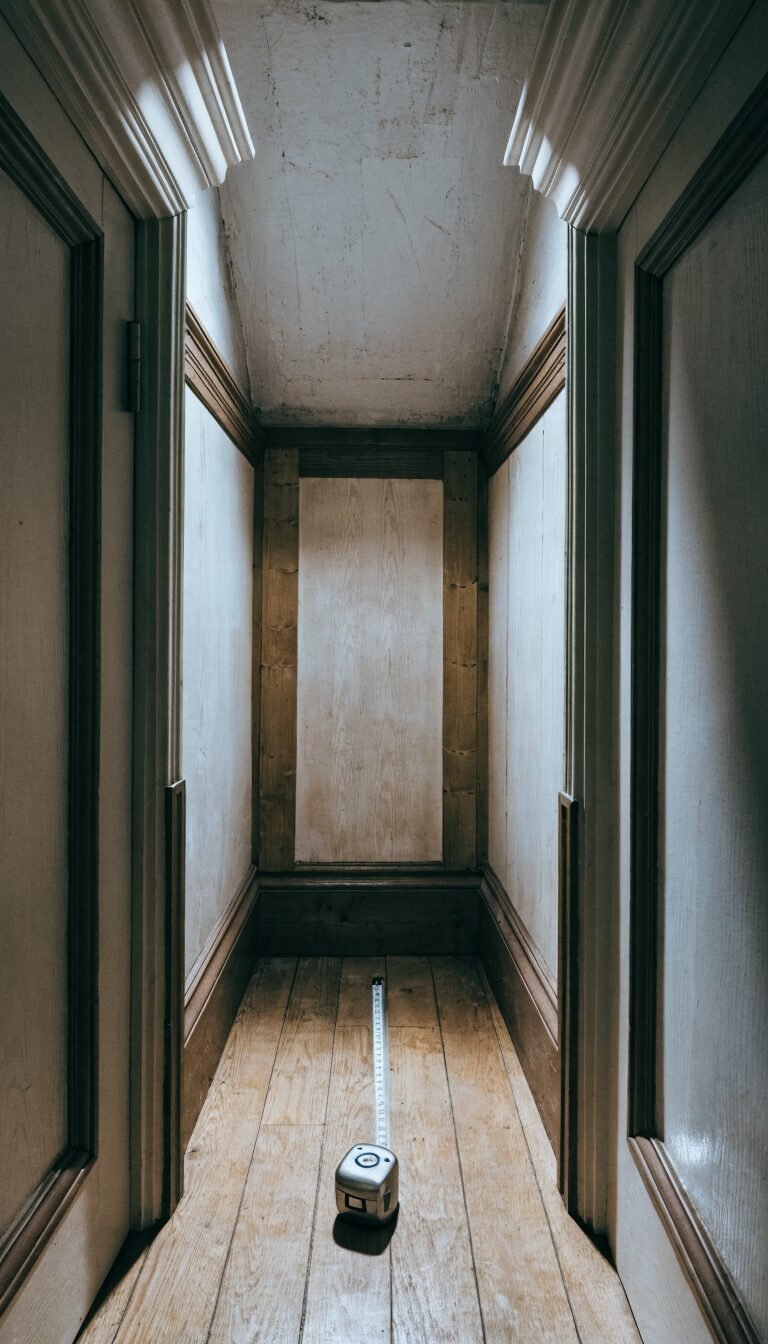
Before you cart a mountain of flat-pack boxes home, measure your closet. Twice. Maybe three times if your house has “quirky” angles.
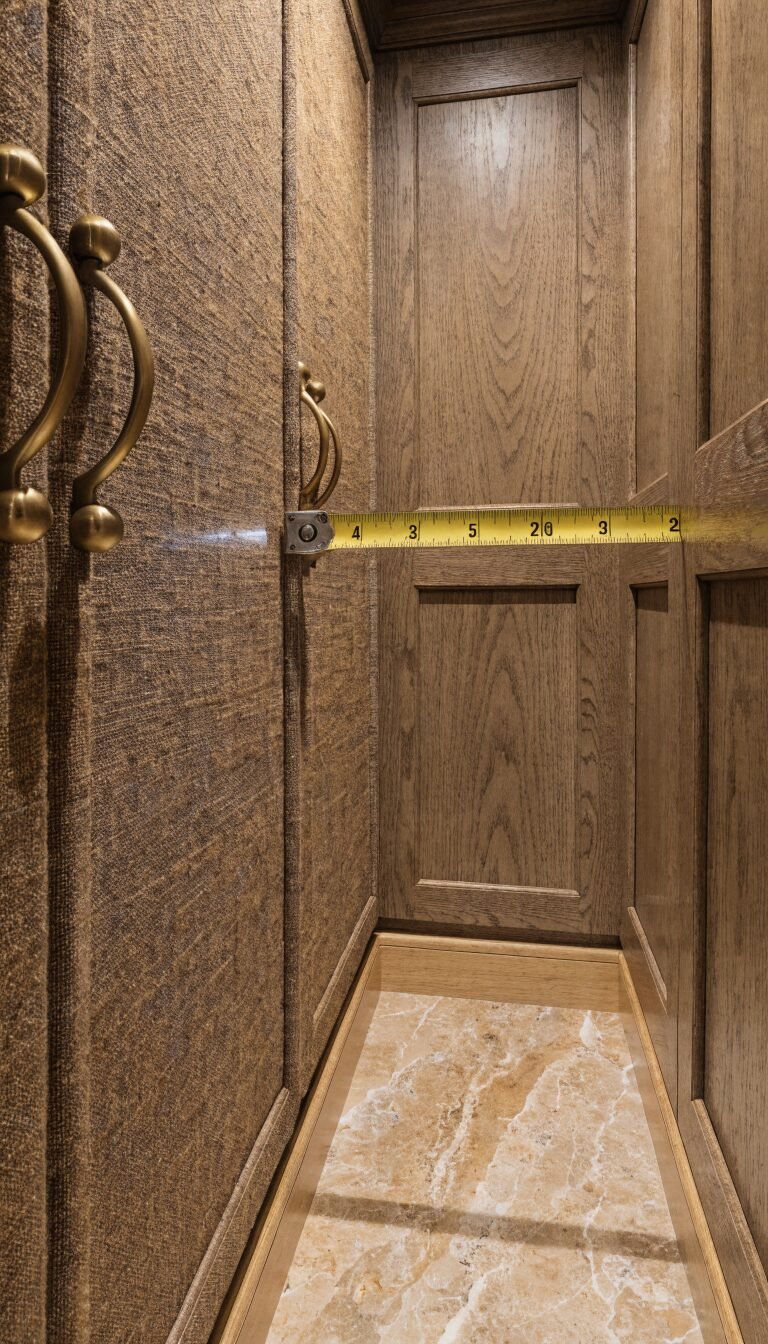
- Width, height, and depth: Note the distance from wall to wall, the height from floor to ceiling, and the depth (most reach-ins sit at ~24 inches deep).
- Door swing and trim: Bifold? Sliding? Regular door? Make sure shelves won’t slam into anything.
- Obstacles: Outlets, baseboards, header shelves, and hanger rods all matter. Take pics for reference.
Pro tip: Map your zones
Divide the closet vertically:
- Top: Seasonal bins and extra bedding.
- Middle: Daily clothes at eye level.
- Bottom: Shoes, bags, and the stuff that always ends up on the floor.
Pick the Right IKEA Workhorses
You have options, and they don’t all cost a fortune. IMO, choose pieces that mix shelves with a bit of hanging space so you don’t create a wall of folded chaos.
- ALGOT/BOAXEL (wall-mounted): Adjustable, airy, and easy to reconfigure. Great for narrow closets.
- BILLY (bookcases as closet shelving): Shallow, modular, and hackable. Works well for shoe towers and folded sweaters.
- SKUBB or DRÖNA bins: Light, collapsible bins for corralling small stuff.
- KOMPLEMENT (for PAX components): If your closet can fit a narrow PAX frame, these shelves and drawers feel luxe.
- LACK or BERGSHULT shelves: Simple wall shelves for above-rod storage when you keep the existing rod.
Not sure what to pick?
– If you rent or fear holes: BILLY or a narrow PAX frame (anchored, but fewer wall mounts).
– If you want max customization: BOAXEL with shelves, rods, and baskets.
– If your closet is very shallow: Slim BILLY + a single rod on one side.
Design a Layout That Won’t Annoy You
Let’s be honest: if it’s hard to use, you’ll stop using it. Build around your daily habits instead of an Instagram photo.
- One long hanging + shelves: Keep a single rod across, and add a shelf tower on one side for jeans, tees, and shoes.
- Double hanging + shelf above: Two rods (upper for tops, lower for pants), plus a shelf above both for bins.
- Shelf tower dead-center: Put a shelving unit in the middle with short hanging on both sides if your closet is wide enough.
Height matters
– Upper shelf: Place 12–18 inches above the top rod for easy-access bins.
– Double hang: Space rods ~40 inches apart.
– Shoe shelves: 7–8 inches per shelf for flats/sneakers, 10 inches if you love boots.
Install Without Tears (Mostly)
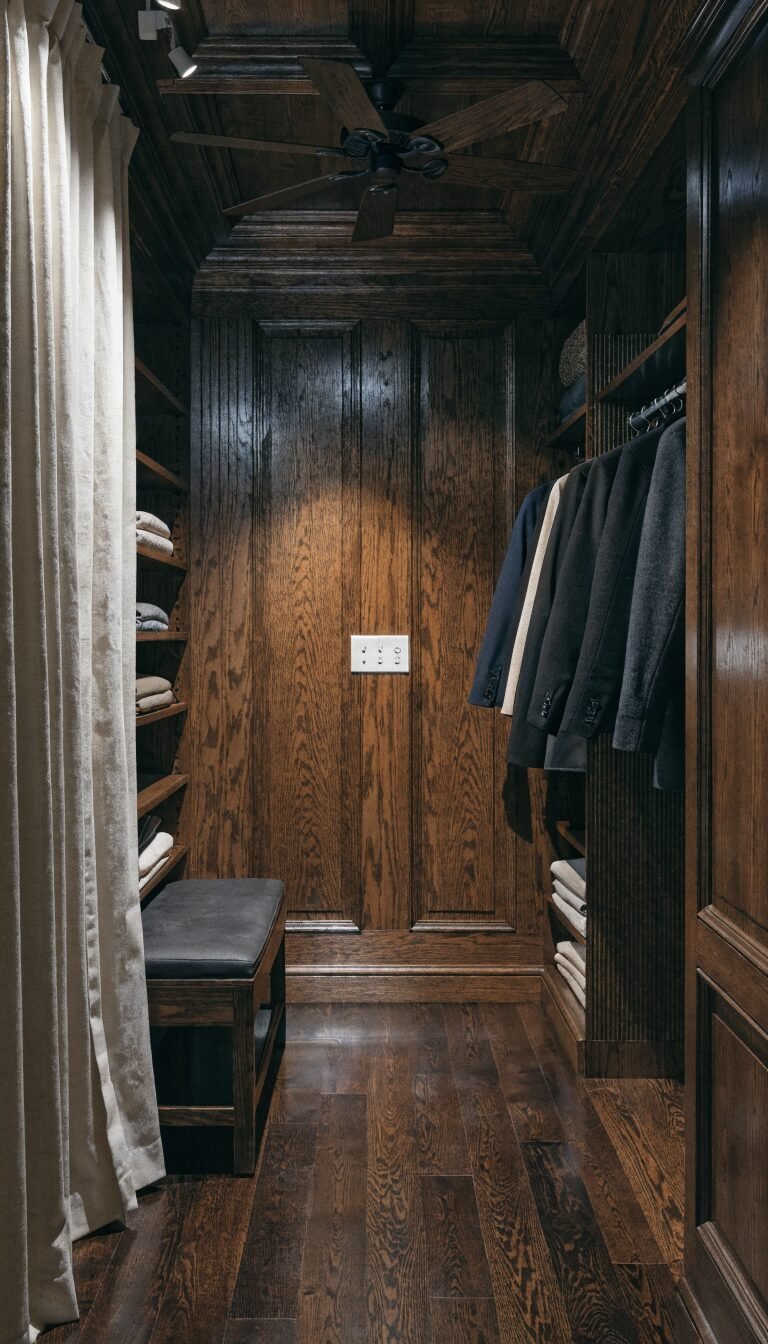
IKEA instructions sometimes feel like interpretive art. Here’s the practical version.
- Clear the closet and patch/paint if needed. Fresh white paint = instant boutique vibes.
- Find studs and mark them. Wall-mounted systems need anchors in studs wherever possible.
- Build on the floor when you can. Assemble BILLY or PAX components outside the closet, then slide them in.
- Anchor everything. Safety first. Even shallow units should not wobble, especially in earthquake zones or if you own a climbing cat.
- Cut shelves if needed. FYI, you can trim generic IKEA shelves to custom widths. Tape the cut line to avoid chipping, and sand the edge.
Keep the hanger rod (or don’t)
– If it’s solid and at a good height, keep it and add shelves around it.
– If it’s flimsy or too high, replace with BOAXEL rods or mount a new one where it makes sense.
Shelf Styling That Actually Works
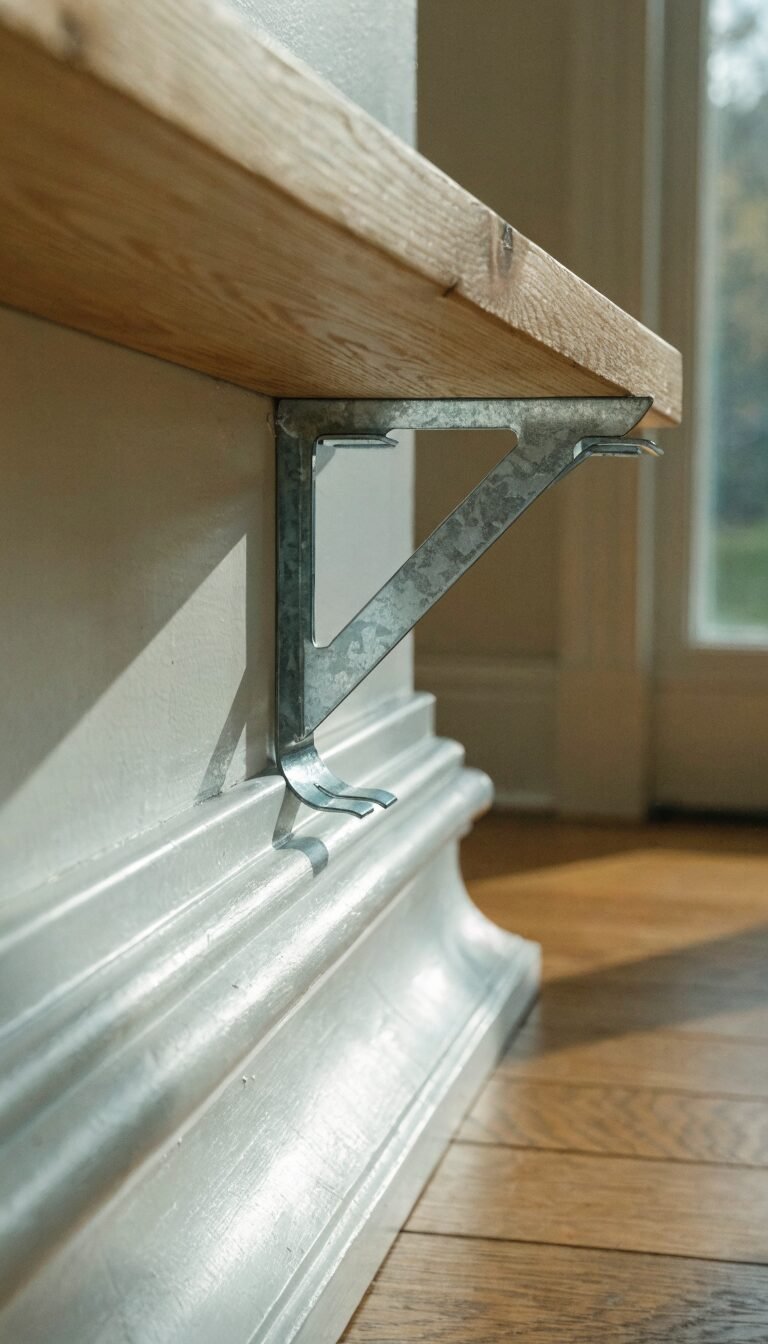
A perfect closet looks great once. A well-planned closet looks good every day. We’re aiming for the second one.
- Use bins to create “drawers” on shelves: Label them: tees, gym, socks, lounge. SKUBB bins slide easily and keep stacks tidy.
- File-fold soft items: Store tees and leggings upright in bins so you see everything. You’ll stop wearing the same two shirts. Maybe.
- Divide shelf heights: Two short shelves beat one tall shelf. Tall stacks collapse. Short stacks behave.
- Corral accessories: Add a narrow tray or small basket for belts, scarves, and sunglasses. No more mystery tangles.
- Shoes on low shelves: One pair deep if space allows. If not, use angled shelves or clear shoe boxes with labels.
Labels = future you says thanks
Use simple, high-contrast labels. Keep the wording obvious: “Sweaters,” not “Chunky Knit Joy.” Cute, but future-you will roll their eyes.
Max Out Vertical Space
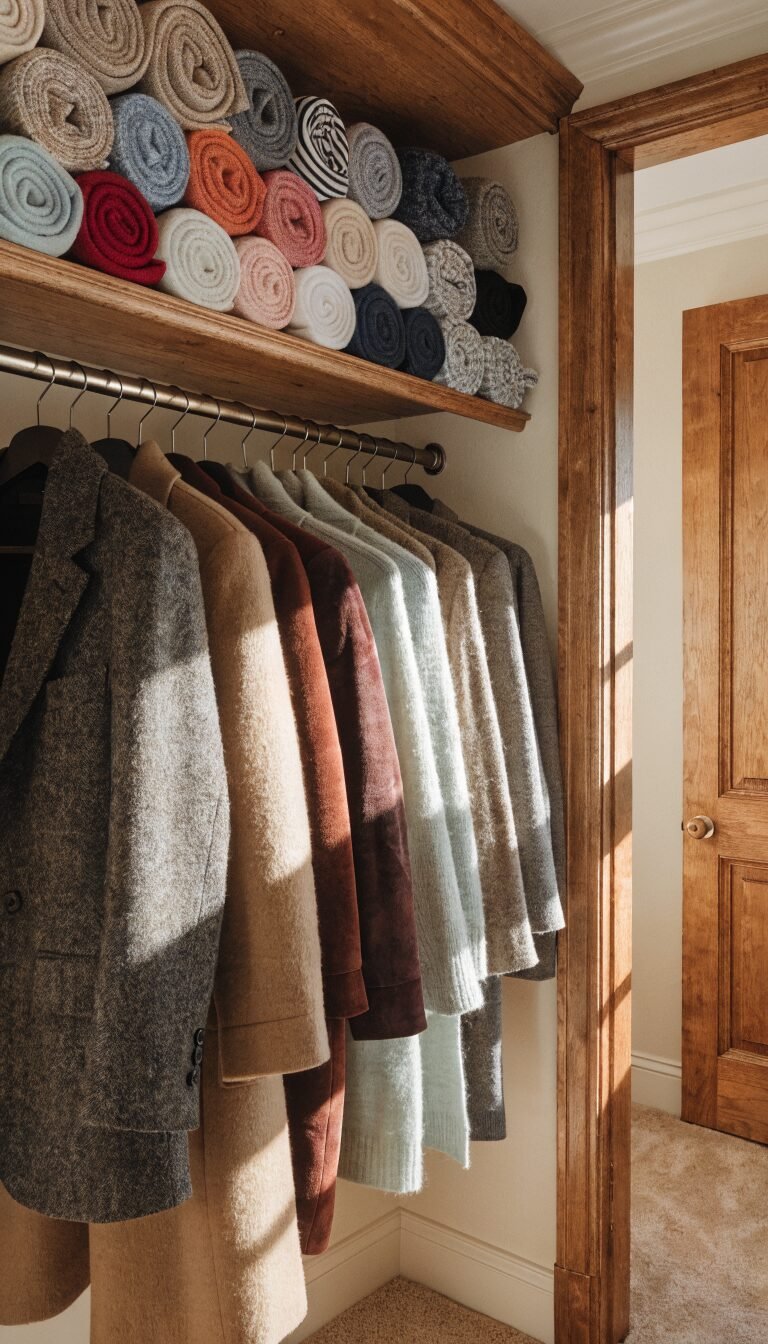
Small closet? Go high or go home. The air above your door and the top shelf is prime real estate.
- Above-rod shelf: Add another shelf 12 inches above your main one if you have the height. Store off-season items in bins.
- Over-the-door: Install hooks or a thin rack on the inside of the door for bags, belts, or hats.
- Side-wall slivers: Mount a narrow rail or a few pegs for daily grab items.
Seasonal rotation
Box up off-season clothes in labeled SKUBB boxes and park them high. Swap twice a year. It’s like shopping your own closet without the bill.
Small Details That Change Everything
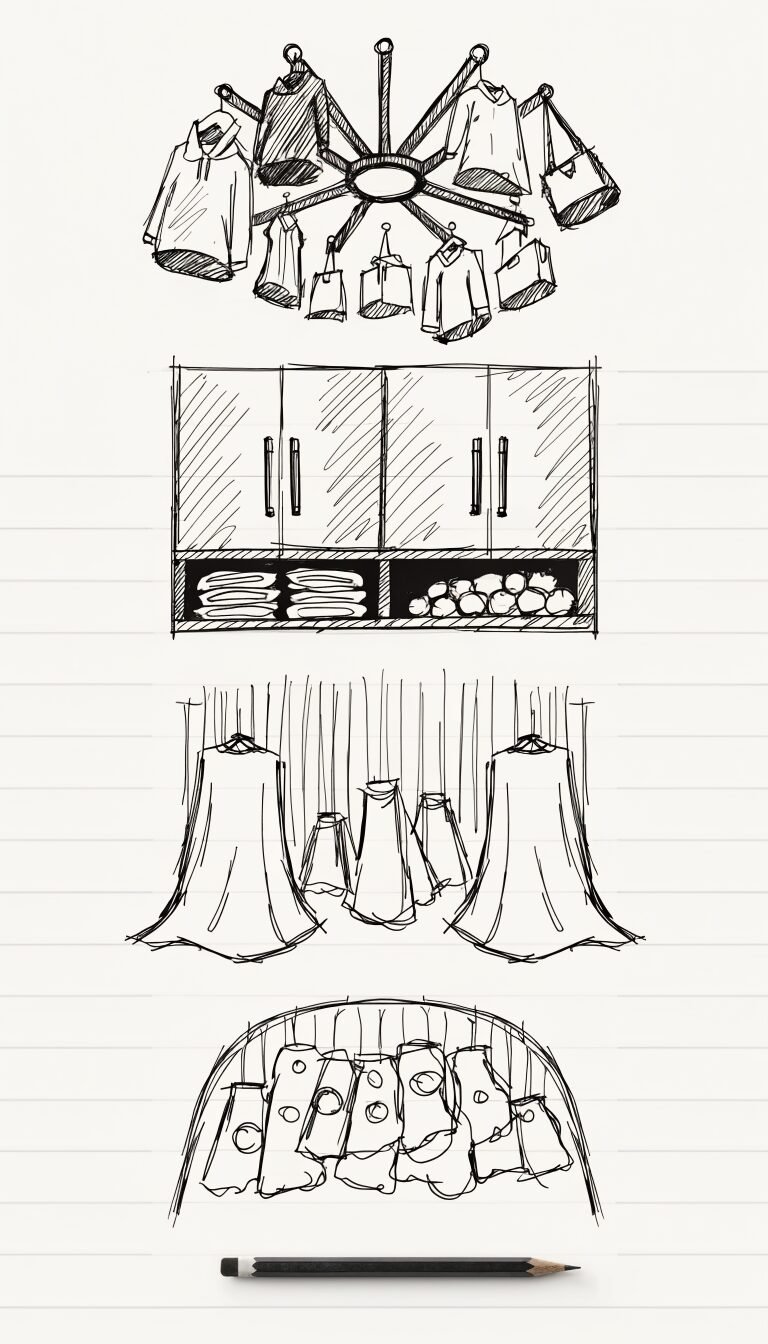
The glow-up lives in the details. Tiny tweaks = huge usability.
- Uniform slim hangers: They save space and look neat. Plus, nothing slides off like a dramatic exit.
- Lighting: Add a stick-on LED bar or puck light. Seeing your black shirt among other black shirts? Revolutionary.
- Door upgrade: If you can, switch bifold doors to sliding or a single panel that opens wide. Access matters.
- Staging zone: Keep one empty hook or a top shelf corner for tomorrow’s outfit. Future mornings = quieter.
Realistic Maintenance Plan
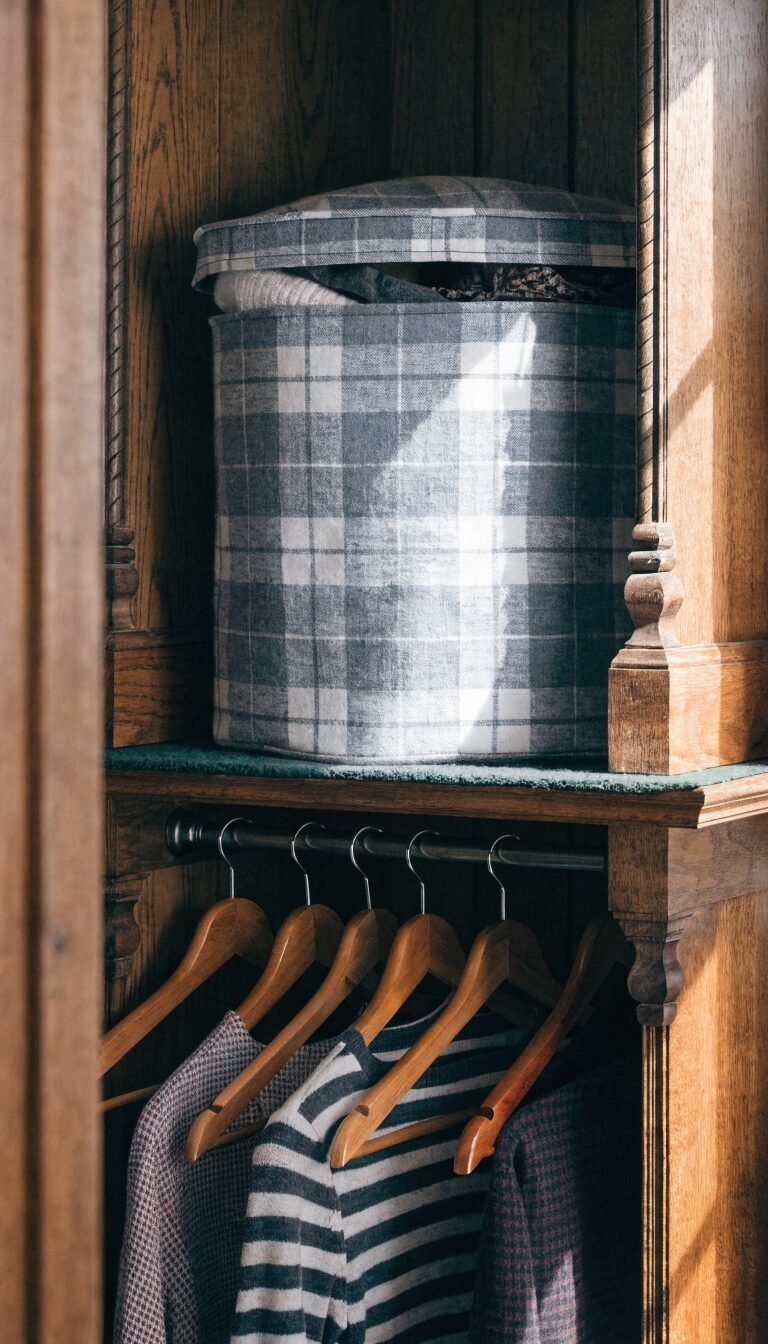
No one maintains showroom folds. Set low-effort rules and you’ll keep it tidy.
- One-in, one-out: New sweater in, old sweater out. Ruthless but effective.
- Weekly 5-minute reset: Put strays back in their bins. Quick dust if you’re feeling fancy.
- Quarterly purge: Donate what you didn’t wear. Yes, even the “someday” jeans. IMO, space beats guilt.
FAQ
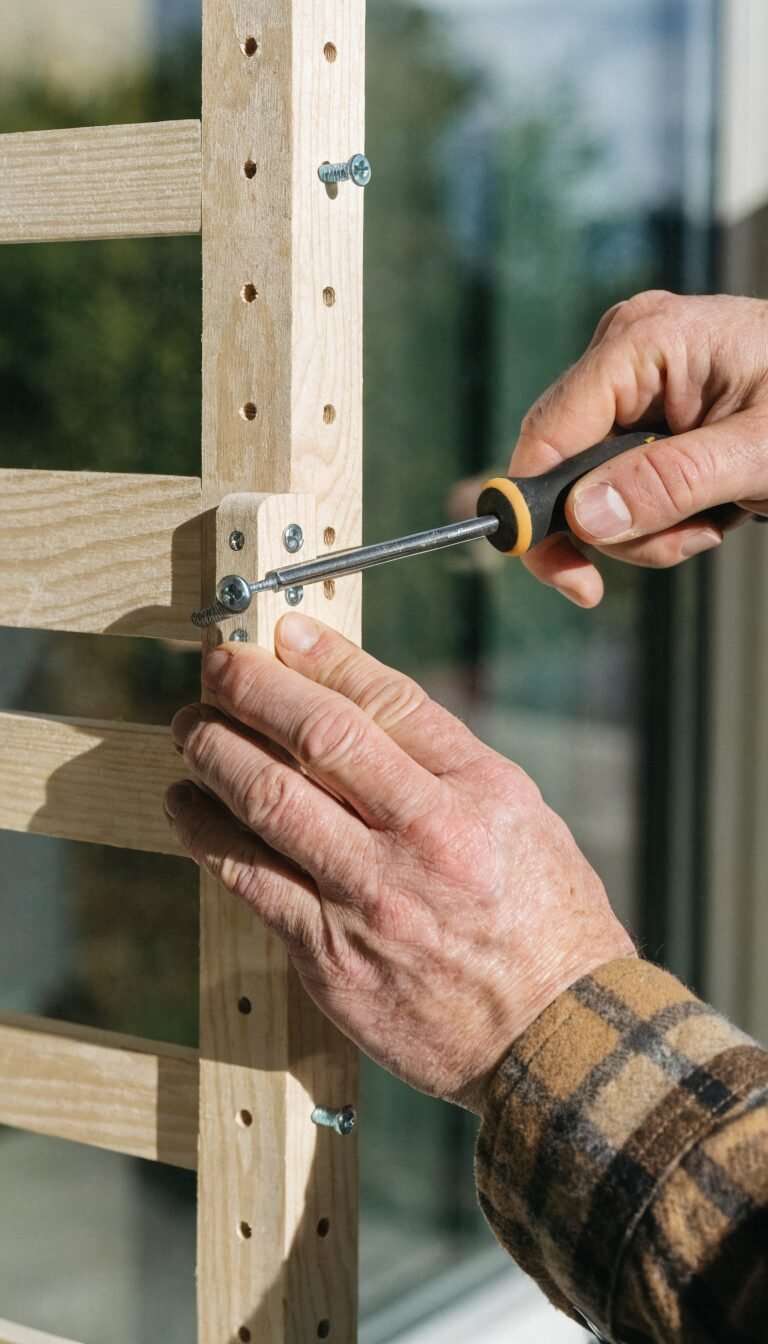
How do I choose between BOAXEL and BILLY for a small closet?
BOAXEL mounts to the wall and adjusts easily, so it shines in narrow closets or if you want rods plus shelves. BILLY works when you prefer freestanding towers for folded clothes or shoes and want fewer wall holes. If you rent, BILLY might feel simpler; if you love tweaking layouts, BOAXEL wins.
Can I mix hanging space with shelves without a PAX system?
Yes. Use a BOAXEL track with a rod under a few shelves, or keep your existing rod and add a BILLY or BERGSHULT/LACK shelves on the side. The hybrid approach keeps daily items at eye level while the shelf tower handles the rest.
What’s the best depth for shelves in a reach-in closet?
Aim for 11–14 inches. Deep shelves (16–24 inches) swallow small items and create forgotten piles. Shallow shelves keep stacks honest and let doors close without bumping.
How do I store boots in a small closet?
Give boots a taller shelf (10–12 inches) or store them sideways in clear bins on a low shelf. Insert boot shapers or rolled magazines so they stand. Off-season, move them to a labeled bin up high to free prime space.
Do I need drawers, or will bins on shelves work?
Bins on shelves act like open drawers and usually cost less. They also install faster and adapt better as your wardrobe changes. If you love the feel of real drawers, add one KOMPLEMENT drawer unit or a small 3-drawer insert and mix with bins.
Any quick wins if I can’t redo the whole closet?
Swap hangers for slim ones, add one shelf above the rod, and bring in three SKUBB bins for tees, workout gear, and odds-and-ends. Label them, add a stick-on light, and call it a day. Small effort, big payoff.
Conclusion
A small reach-in closet can pull serious weight with the right IKEA shelves and a smart layout. Measure well, pick flexible pieces, and set up zones that match how you actually get dressed. Keep labels obvious, shelves shallow, and vertical space busy. Do that, and your “tiny” closet turns into a smooth, everyday MVP—no sledgehammer, just solid strategy and a few Allen-key turns.