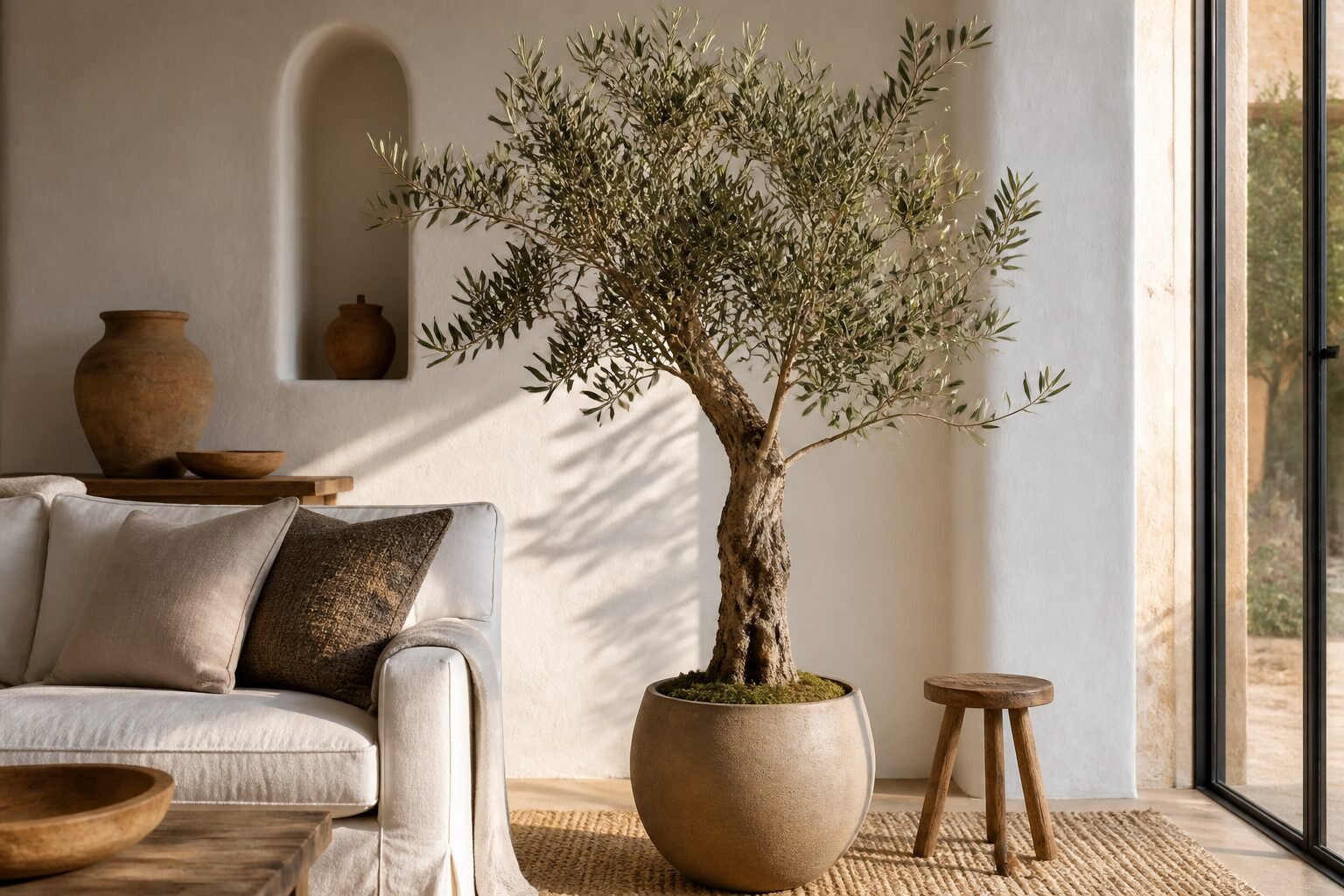
You want the Mediterranean vibe without the watering schedule, the bugs, or the heartbreak when a cold snap ruins everything? Faux olive trees deliver that breezy, sun-drenched look with basically zero effort.
The trick: choose one that actually looks real. No shiny leaves. No weird lollipop shapes. No neon-green fruit.
I went deep on the best options and what details actually matter.
Here’s how to pick a stunner—and 10 high-quality faux olive trees that nail the “did you just bring that in from Tuscany?” energy.
What Makes a Faux Olive Tree Look Real
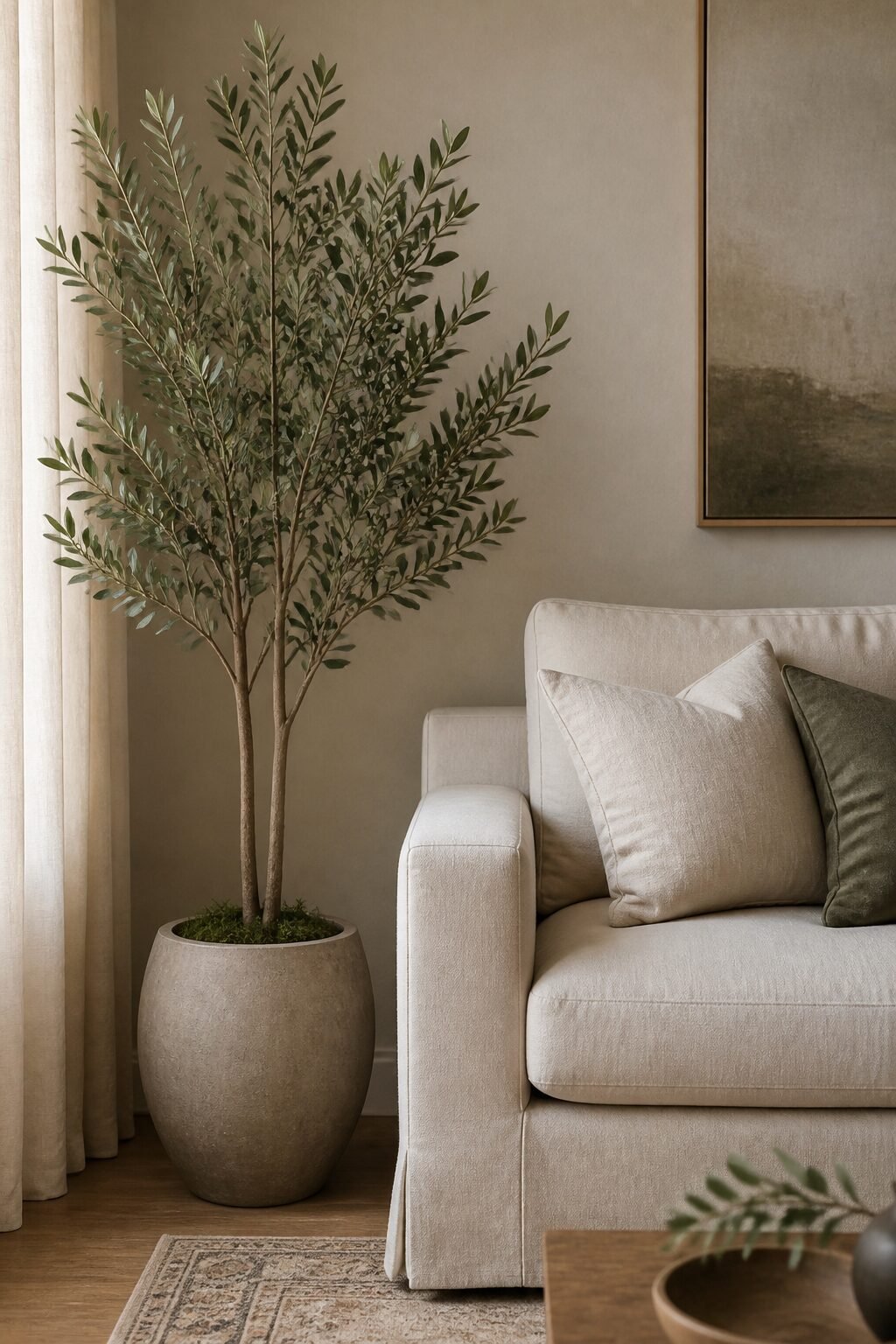
Realistic faux trees come down to a few non-negotiables. If you spot any of these misses, back away slowly.
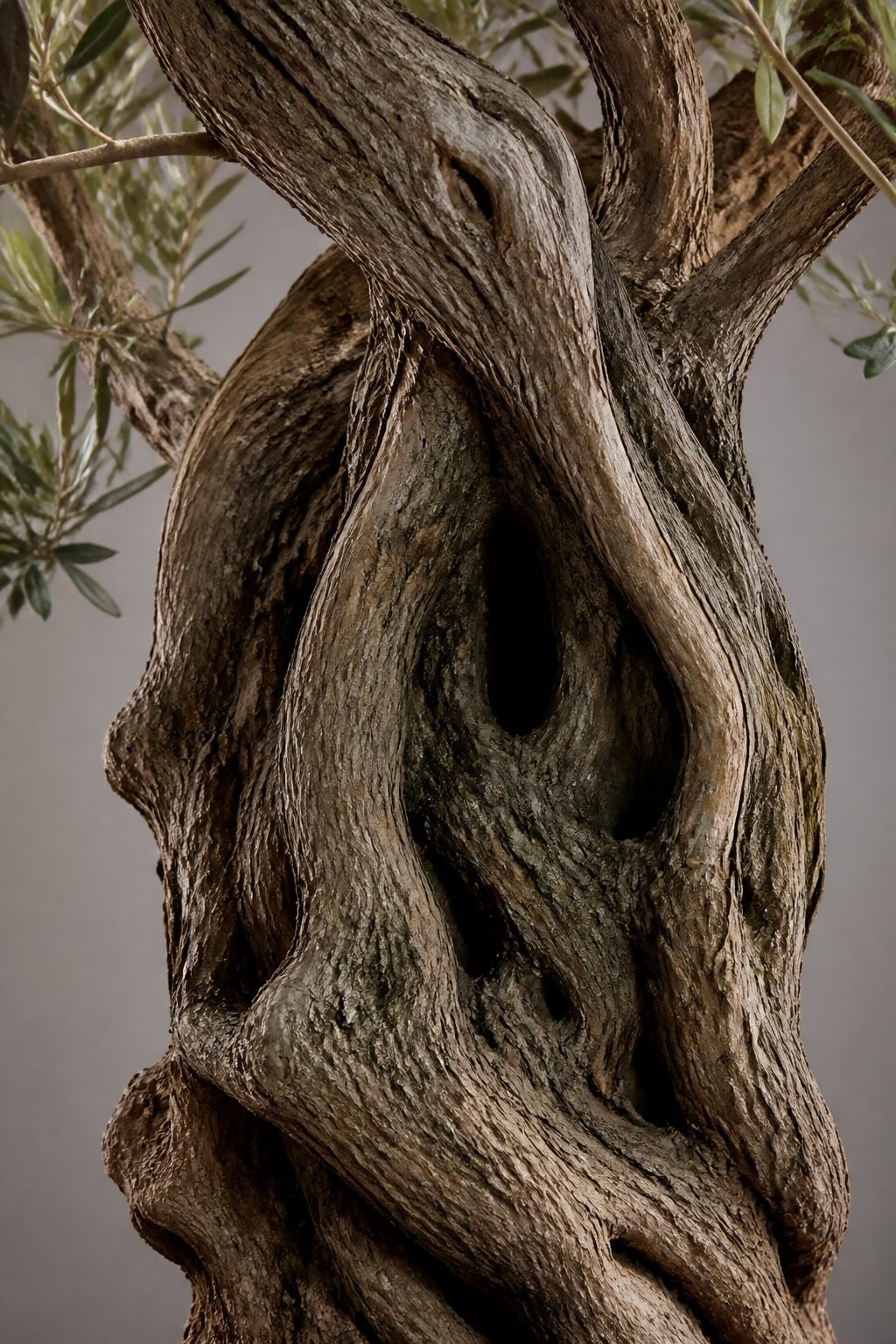
- Natural trunk texture: Real olive trunks look knobby, a bit gnarled, and slightly mottled. Smooth plastic = fake city.
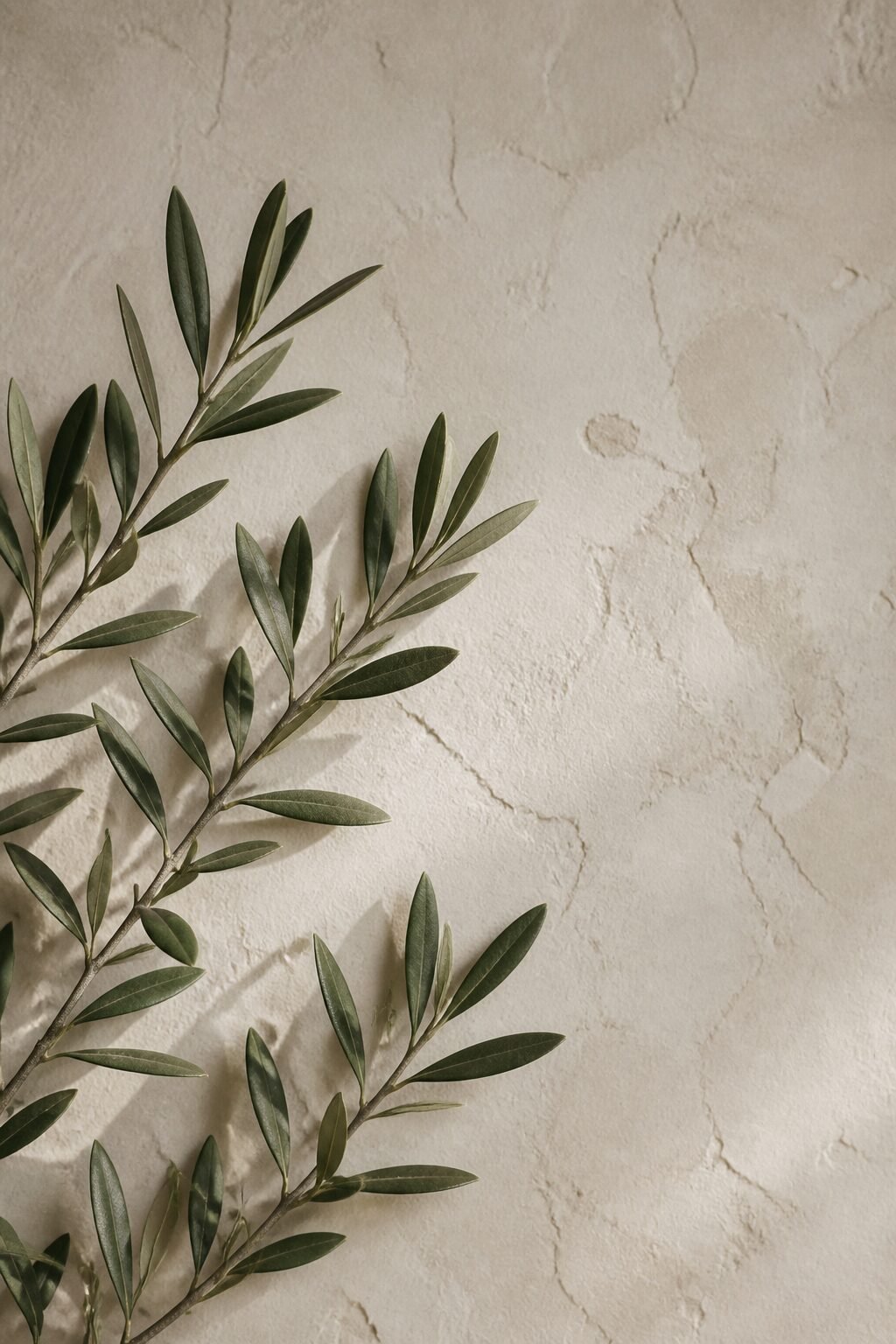
- Matte, varied foliage: Olive leaves have a matte finish with a silvery underside. You want soft greens with subtle gray—not shiny emerald.
- Organic shape: No perfect cones or symmetrical pom-poms. Branch layers should look airy and asymmetrical.
- Branch movement: Light, flexible branches let you “fluff” it into a natural silhouette.
- Weight and scale: A tall tree needs a sturdy base and proportional trunk. Tiny pot + tall canopy = wobbly and weird.
Pro tip: Check the undersides
Rotate a leaf. If the back shows a soft sage-silver, you’re winning. If it looks identical to the front or glossy, it’ll read fake from across the room.
10 Faux Olive Trees That Actually Look Real
I curated these based on lifelike foliage, trunk realism, shape, and value. Prices fluctuate, but I’ll flag general budget vibes.
- Nearly Natural 82″ Extra Full Olive Tree – Great presence without feeling bulky. Trunk texture reads convincingly rustic, and the canopy layers beautifully. Budget-friendly for the height, FYI.
- Terrain Faux Olive Tree (6–7 ft) – Elevated look with nuanced leaves and gorgeous branching. The silvery tone hits that coastal-grandma aesthetic—no yacht required. Pricier, but IMO worth it if it’s your room’s anchor piece.
- Pottery Barn Faux Olive Tree (7 ft) – Soft, airy, and not “over-leafed.” The leaf variation and subtle fruit sell it. Looks best in bright rooms where that gray-green really sings.
- CB2 Faux Potted Olive Tree (7 ft) – Modern and lean with an elegant, narrow profile. Great for tight corners or flanking a low credenza. Trunk color skews lighter, which feels fresh and not plastic-y.
- West Elm Faux Olive Tree (5–7 ft options) – Stylish mid-height option with believable foliage density. If you fear commitment to a giant tree, this gives you the look without the footprint.
- Target Studio McGee Faux Olive Tree (6 ft) – Shockingly good for the price. Airy branches, nice leaf tone, and easy to style. Perfect starter tree or rental-friendly upgrade.
- Crate & Barrel Faux Black Olive Tree – Slightly different species vibe (narrower leaves), but still lush and convincing. Sleek and minimal with a sculptural twist. Looks curated, not mall-plant.
- Hearth & Hand with Magnolia Potted Olive Tree (5.5 ft) – Light, breezy, and casual. The canopy spreads out nicely without looking crowded. A great everyday pick for living rooms and bedrooms.
- World Market Faux Olive Tree (7 ft) – Generous height and believable leaf color. The branching feels organic, and it fluffs beautifully. Strong value for big impact.
- Bloomscape Artificial Olive Tree (6 ft) – Thoughtful detailing on the leaf veining and a pot that doesn’t scream “temporary.” A solid, balanced look that works in contemporary spaces.
Consider these honorable mentions
If you need tabletop height, look for 24–36″ potted options with a slightly chunky trunk and sparing fruit. Smaller trees show imperfections faster, so go for matte leaves and fewer “berries.”
How Tall Should You Go?
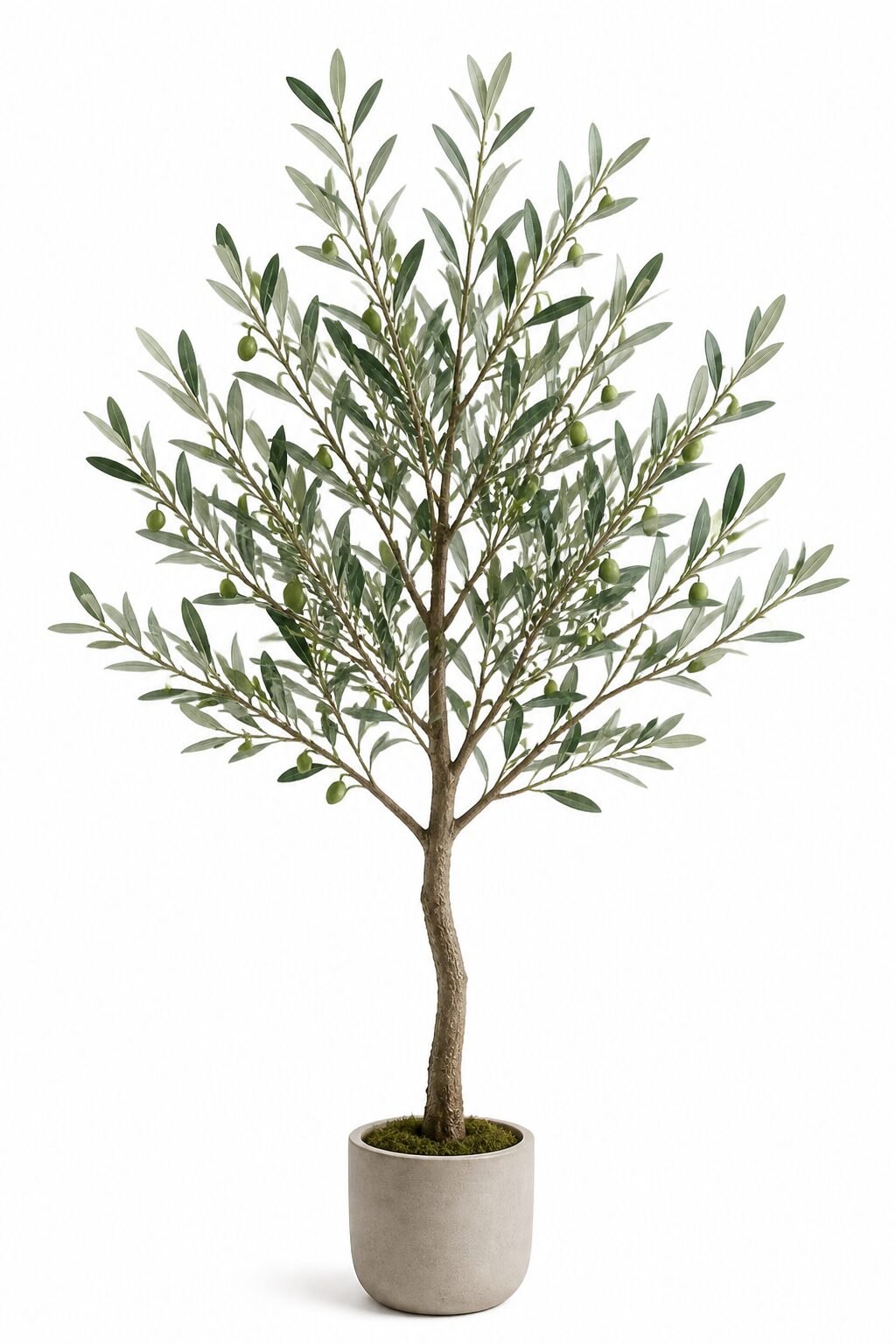
The right size depends on your ceiling height and what you want the tree to do.
- 8–9 ft ceilings: Aim for 5–7 ft trees. You’ll get presence without bonking into your crown molding.
- 9–10 ft ceilings: 7–8 ft reads dramatic and designer-y. Flank a sofa or fill a corner you never figured out.
- Entryways or small rooms: 4–5.5 ft gives a friendly “hi” without swallowing the space.
Scale check
If your sofa spans 84″, a 6–7 ft tree usually balances the visual weight. Place it about 12–18″ off the wall so the branches can breathe.
Potting and Styling So It Looks Custom (Not Store-Bought)
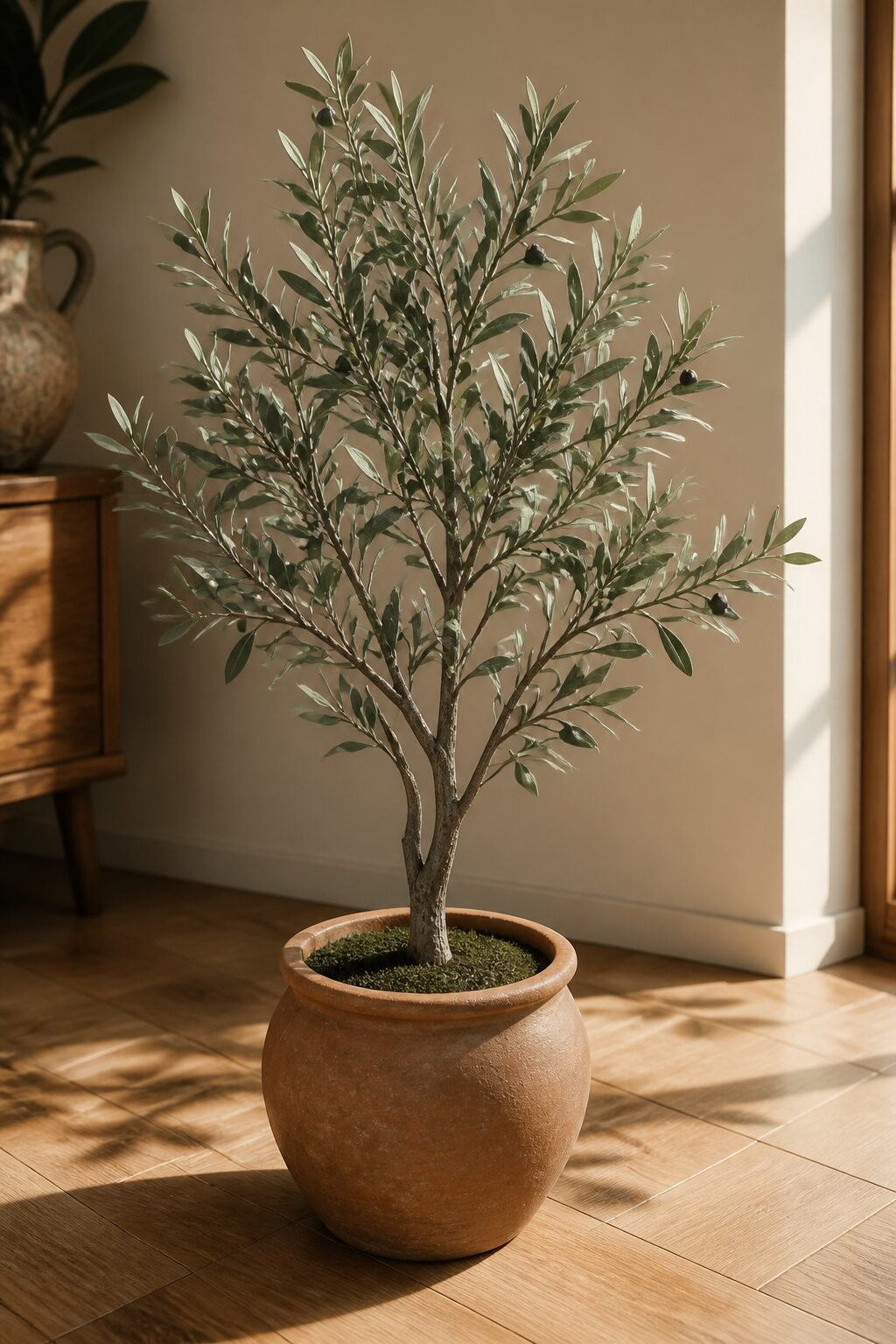
Most faux trees come in small nursery pots. That’s your chance to level up.
- Choose a bigger vessel: Pick a basket, clay urn, or textured planter that’s 2–3x wider than the nursery pot.
- Raise it up: Use a plant stand or a layer of books inside the planter to set the height. Tiny tweak, huge payoff.
- Add weight: Drop in a few bricks or a bag of pebbles so the tree doesn’t wobble when someone sneezes.
- Top it right: Finish with preserved moss, cork chips, or pea gravel for that “I know what I’m doing” look.
Branch fluffing 101
Spread branches unevenly. Let a few stick out, angle some slightly downward, and avoid perfect symmetry. Think “breezy hillside,” not “math problem.”
Care and Cleaning (Yes, Even Fake Trees Need Love)
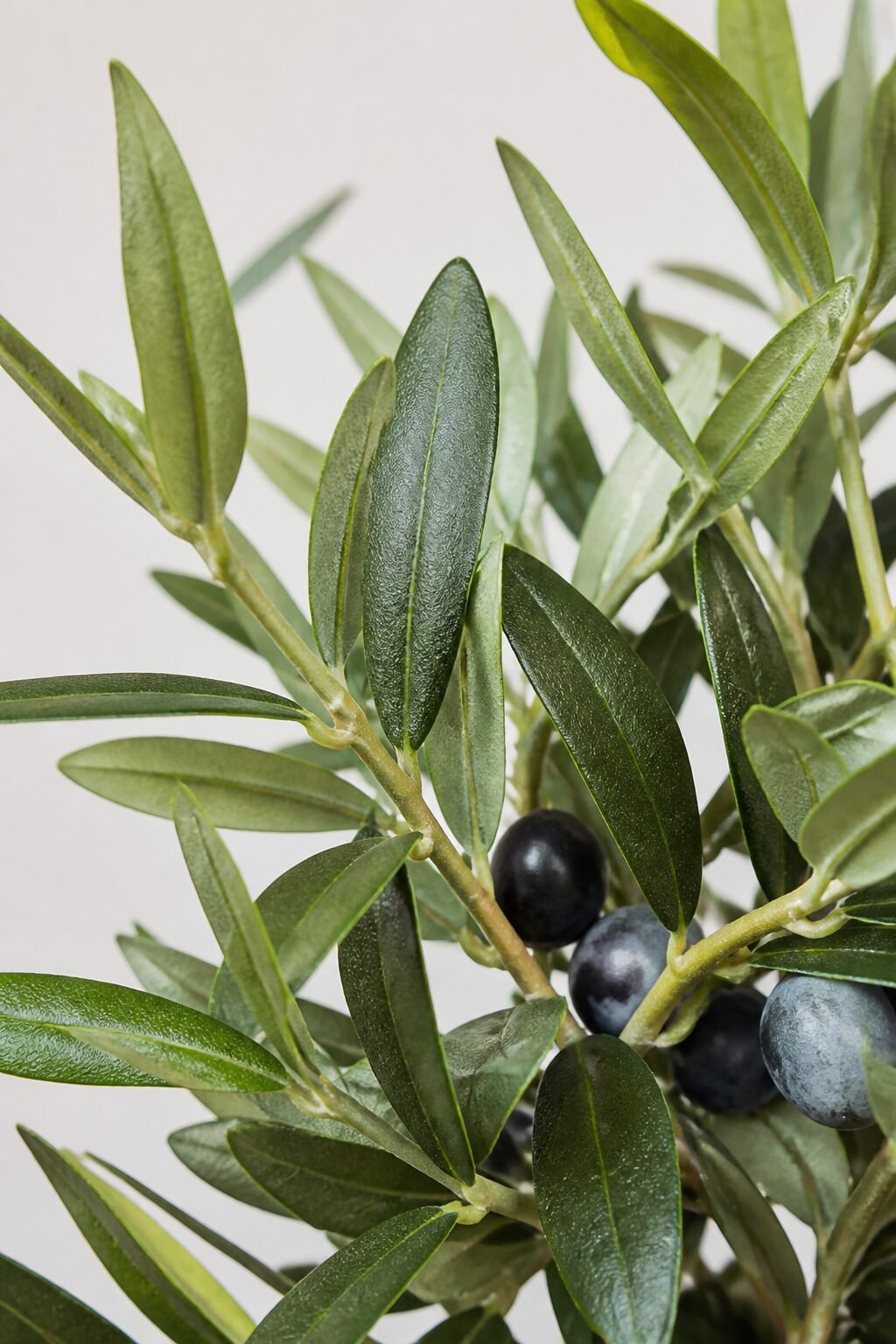
You can’t kill a faux tree, but you can let it get dusty and sad. Don’t be that person.
- Monthly dusting: Use a microfiber cloth or a soft brush attachment on a vacuum. Easy win.
- Quarterly rinse: If the leaves are plastic (not fabric), take it to the shower and do a quick cool-water rinse. Let it drip dry.
- Sunlight check: UV exposure can fade some materials. If a window blasts it, rotate the tree every few months.
Budget vs. Splurge: Where to Spend
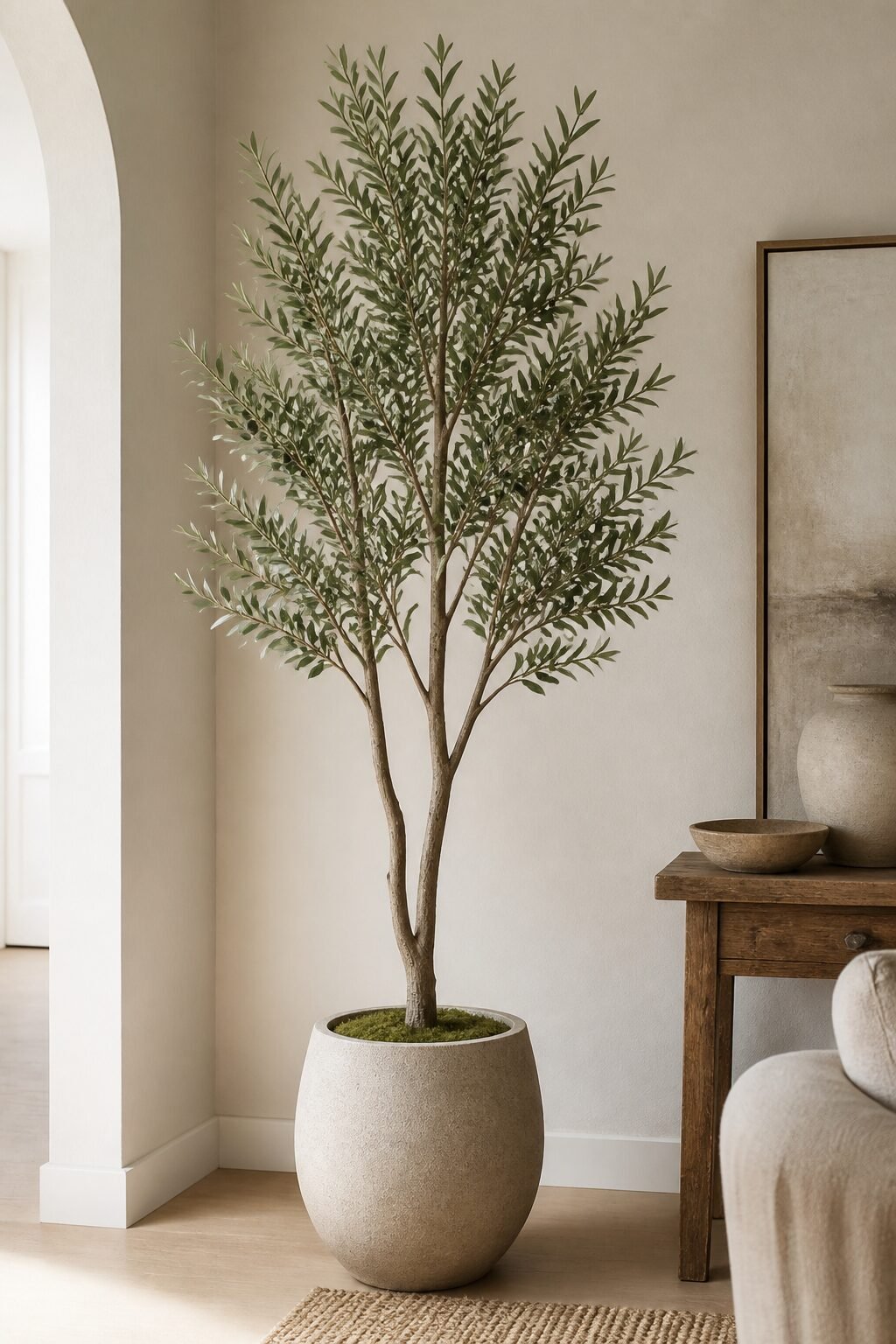
Here’s the honest breakdown.
- Spend on: Trunk realism and leaf texture. These sell the illusion from five feet away.
- Save on: Height. A 6 ft realistic tree > an 8 ft plasticky one. Also save on the included pot—you’ll swap it anyway.
- DIY tweaks: A better planter, moss topping, and some gentle branch-bending work miracles, IMO.
Red flags to avoid
– Glossy leaves that reflect like a car hood
– Identical, perfectly spaced branches
– Fruit that looks like jelly beans
FAQ
Do faux olive trees look cheap in person?
Not if you pick one with a textured trunk, matte leaves, and an organic shape. Style it in a larger planter with moss, and it reads intentional and elevated. The pot upgrade alone makes a huge difference.
How do I make a faux olive tree look fuller?
Fluff the branches in layers and angle some outward, some slightly down. If it still feels sparse, tuck in a few extra faux olive stems near the trunk. Keep it subtle so you don’t turn it into a shrub.
Can I put a faux olive tree outside?
Some can handle covered porches, but most aren’t built for direct sun or rain. Look for UV-rated options if you want outdoor placement, and still keep it under an overhang to extend its life.
What size planter should I use?
Go 2–3 times wider than the nursery pot and deep enough to hide any filler. Add weight at the bottom for stability, then top with moss or gravel. Big planter = custom look with basically zero effort.
Will people notice it’s fake?
If you avoid shiny leaves and plastic-looking fruit, most people won’t clock it. Place it where the trunk and leaves catch natural light, and blend it with real plants nearby. Visual context helps sell the whole scene.
How do I clean fabric leaves?
Use a microfiber cloth or compressed air for dust. For grime, a damp cloth with a tiny drop of mild soap works—test first. Avoid soaking, because fabric leaves can warp or spot.
The Final Branch
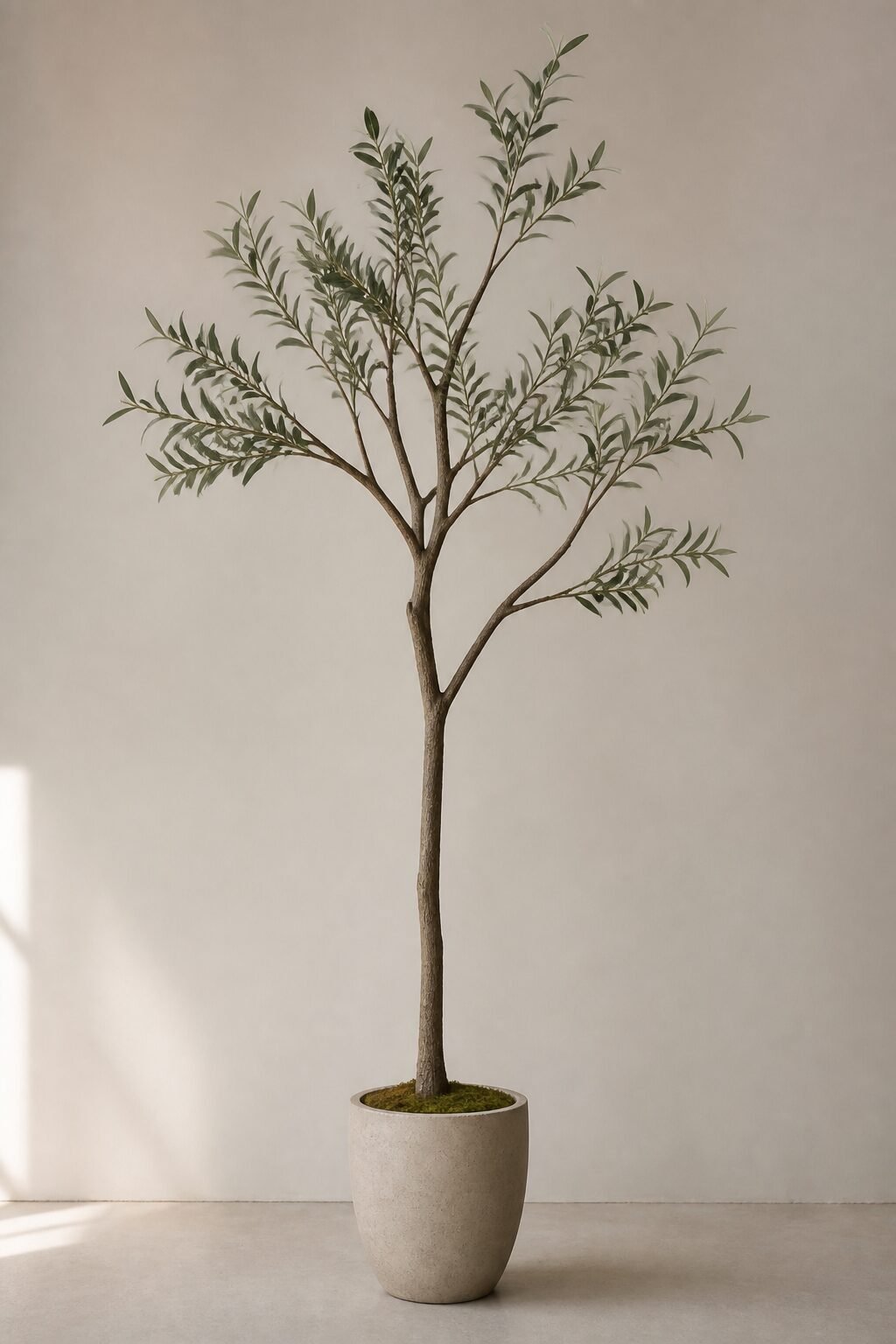
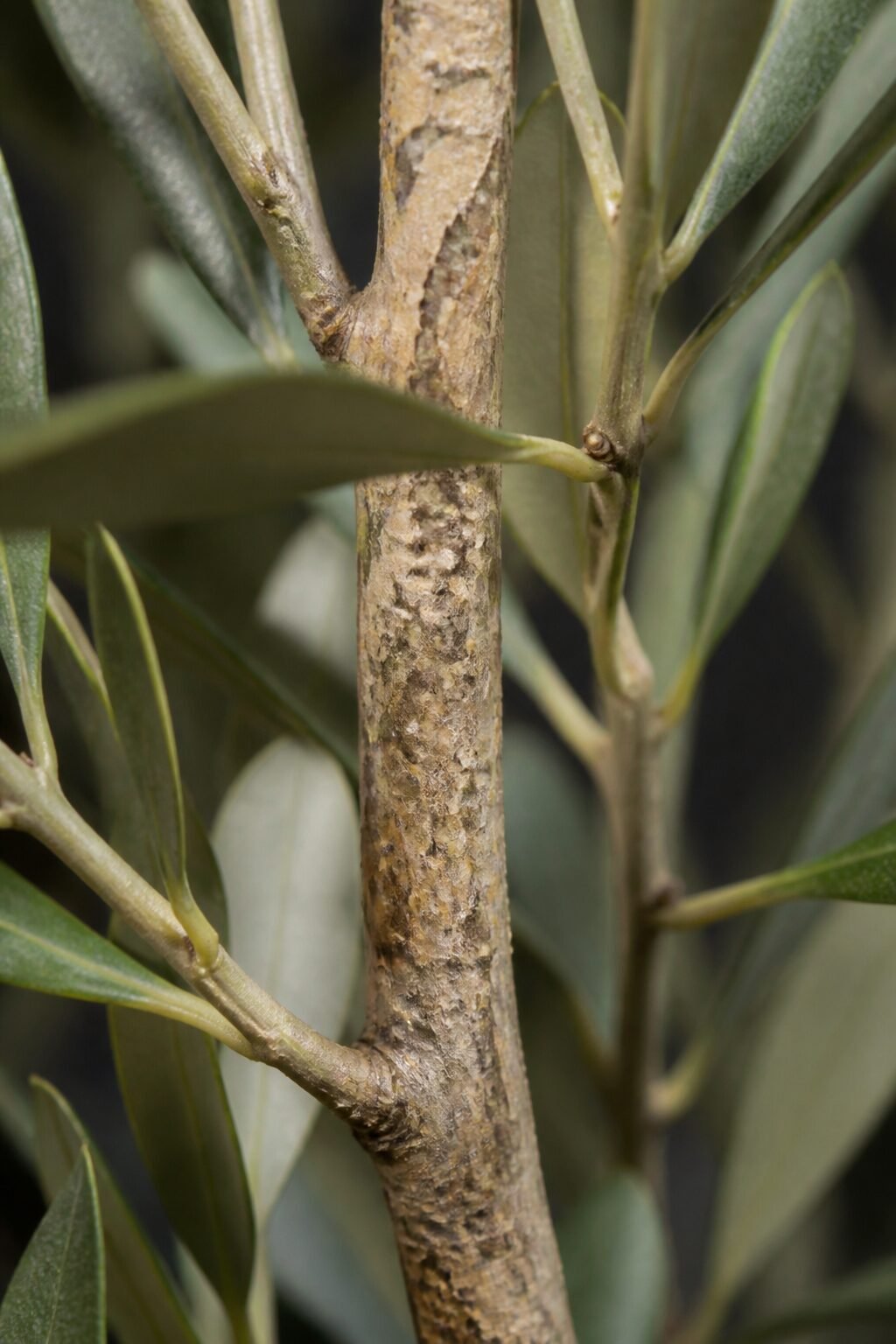
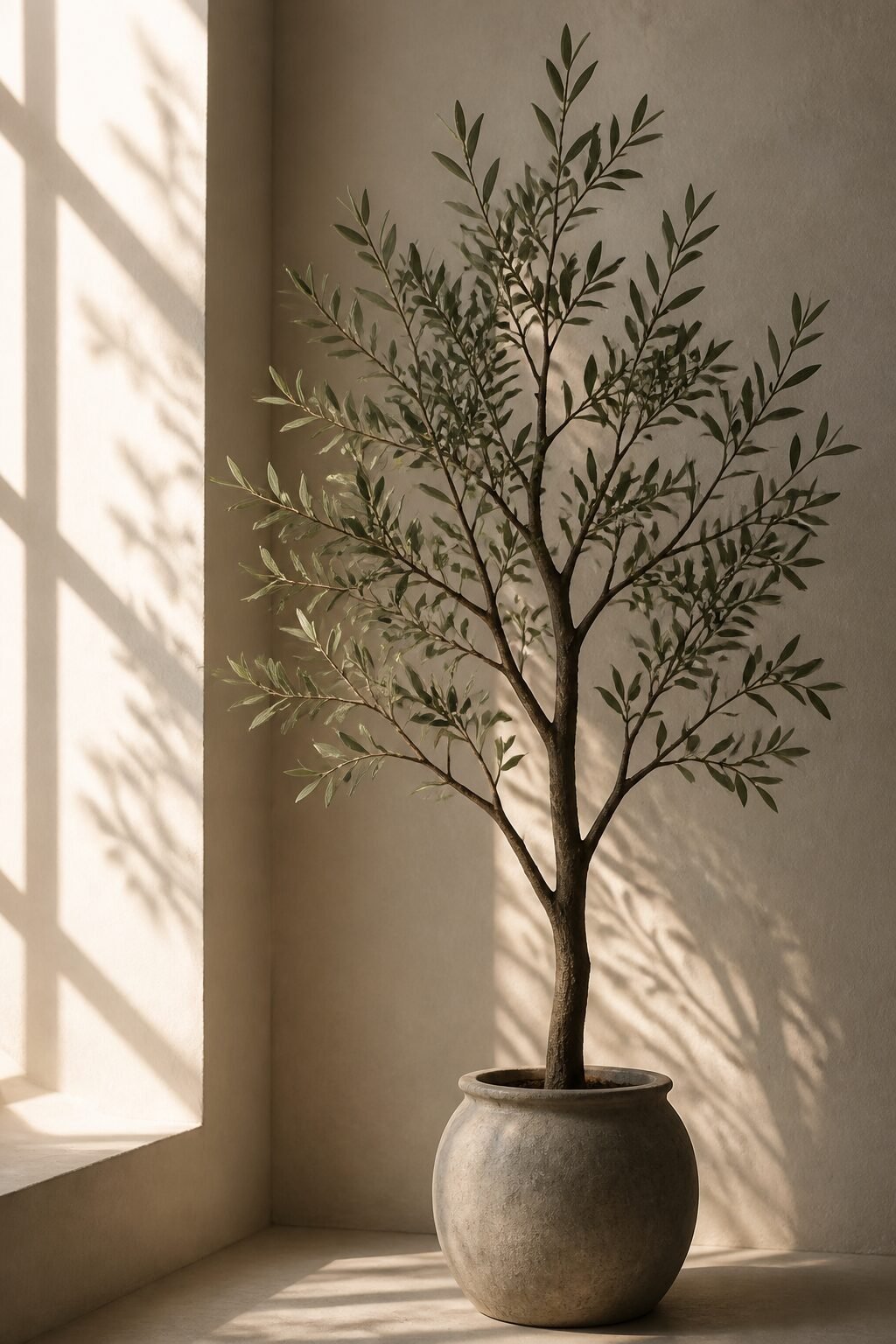
A good faux olive tree brings instant warmth, texture, and a little “I vacation in Italy” energy—minus the plant drama. Pick realistic leaves and a knobby trunk, size it to your room, then upgrade the planter. Do those three things and your fake tree stops looking fake and starts looking fabulous. FYI: your friends will ask where you got it. You’re welcome.